












The Art and Science of Recipe Creation: A Comprehensive Analysis
Introduction
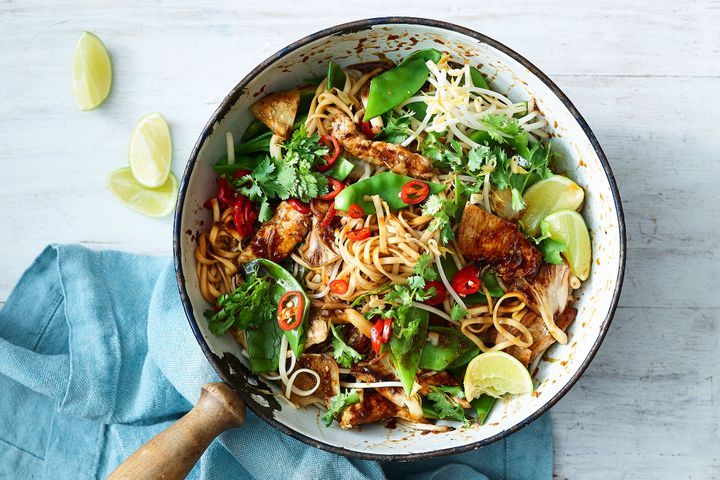
Recipes are far more than step-by-step guides; they are living documents where chemistry, culture, and creativity meet. Crafting a reliable dish demands an awareness of how heat transforms proteins, why certain spices complement one another, and how visual appeal influences flavor perception. This article explores the layered process behind successful recipes and their influence on both tradition and innovation in the kitchen.
The Importance of Recipe Creation
A thoughtfully written recipe preserves heritage while inviting continual refinement. It allows home cooks and professionals alike to reproduce comforting flavors, celebrate seasonal produce, and experiment with new techniques. By documenting ratios, timing, and sensory cues, recipes become a shared language that sustains culinary memory and sparks fresh ideas.
Understanding the Science Behind Recipes
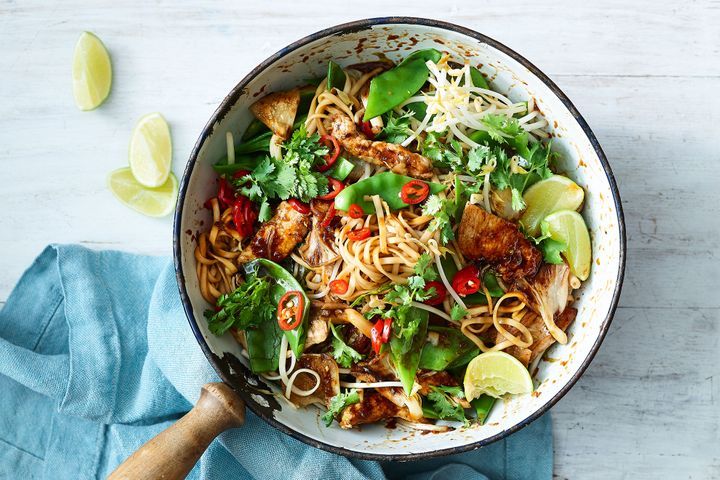
Effective recipes rest on food-science fundamentals: how acids brighten taste, why salt alters texture, and when starches thicken liquids. Mastery of these principles helps creators troubleshoot failures and fine-tune results. Recognizing the stages of protein coagulation or sugar caramelization, for example, empowers precise control over mouthfeel and color.
The Maillard Reaction
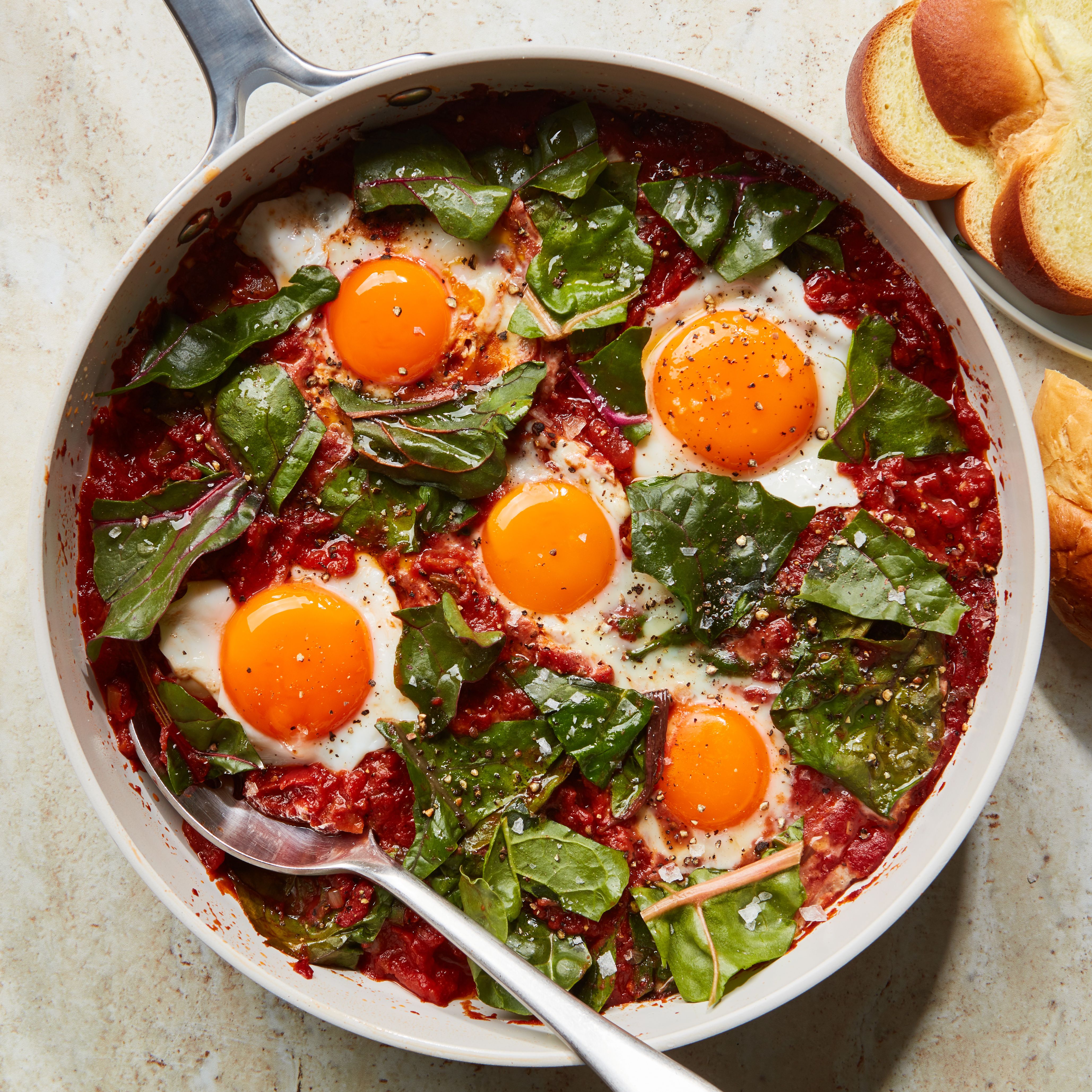
When proteins and sugars meet moderate heat, hundreds of aromatic compounds form, yielding nutty, toasted notes and appetizing brown hues. Harnessing this reaction—by patting meat dry before searing or allowing bread crusts to deepen—turns simple components into deeply flavorful experiences.
Texture and Flavor
Contrast keeps dishes exciting: a crunchy topping against velvety soup, or juicy fruit beside crisp meringue. Balancing elements such as acidity, fat, and umami prevents palate fatigue, while varied cutting techniques create surfaces that release aroma differently, enhancing overall enjoyment.
Cultural Significance of Ingredients
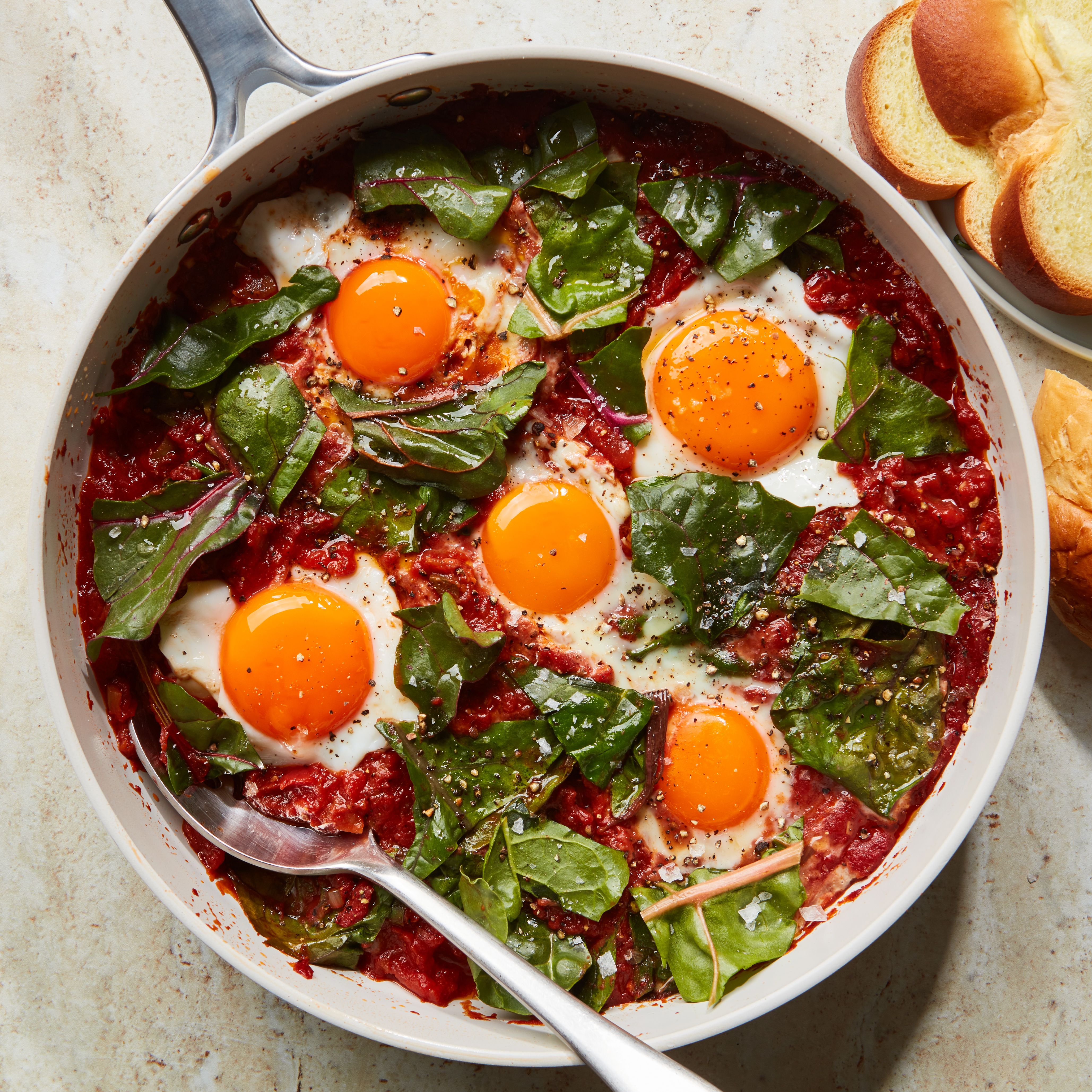
Every ingredient carries stories of migration, trade, and adaptation. Corn, chilies, and rice each narrate centuries of agricultural practice and regional identity. Respecting these narratives encourages responsible sourcing and fosters appreciation for the communities that cultivated them.
Cross-Cultural Fusion
Blending techniques—say, steaming buns filled with slow-braised brisket inspired by two distinct cuisines—can yield harmonious dishes that honor multiple heritages. Successful fusion relies on understanding core flavor profiles rather than superficial mixing, ensuring coherence on the plate.
The Art of Culinary Presentation
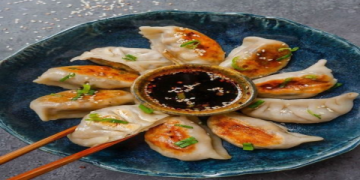
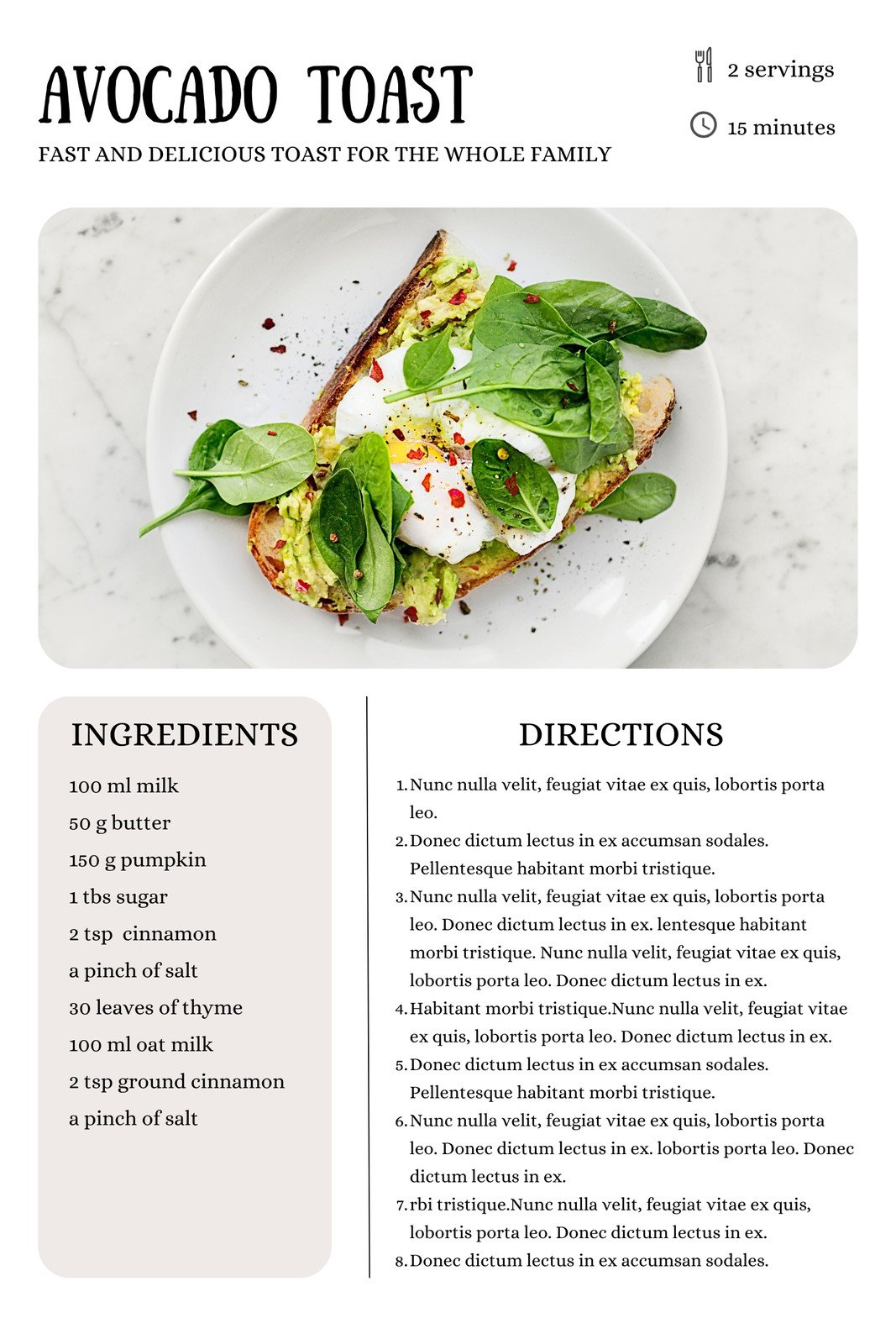
Visual arrangement primes the senses. Negative space, varied heights, and color temperature guide the diner’s eye and set expectations. A drizzle of vivid purée or a sprinkle of fresh herbs can signal freshness and elevate perceived value before the first bite.
Color Theory in Plating
Complementary colors create vibrancy: orange squash against green pesto, or purple cabbage beside golden grains. Monochromatic schemes, on the other hand, convey elegance. Strategic use of warm and cool tones influences whether a dish feels comforting or refreshing.
Garnishes and Plating Techniques
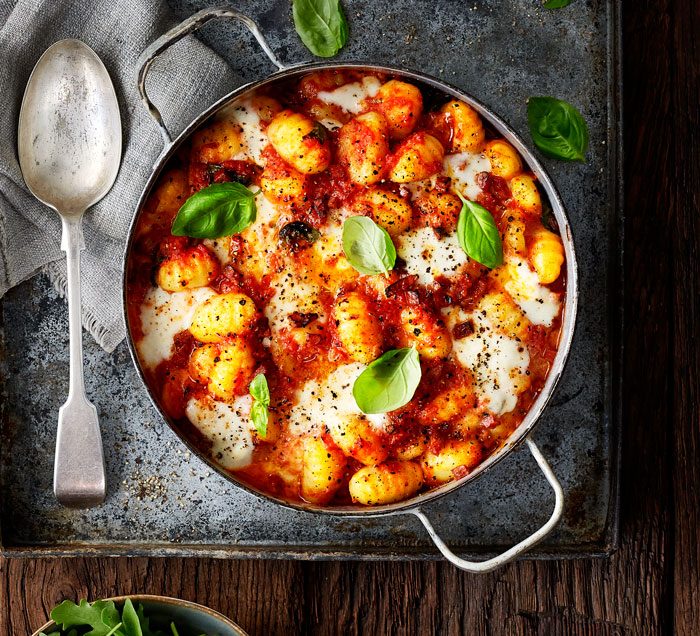
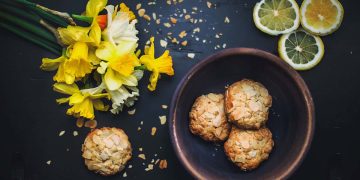
Edible flowers, citrus zests, and micro-greens should add flavor or texture, not merely decoration. Layering components at contrasting angles, using ring molds for height, or brushing sauces in broad strokes introduces movement and invites interaction.
The Impact of Recipe Creation on Culinary Innovation
New dishes often emerge from questioning assumptions: What happens if fermentation replaces dairy? Can dessert textures appear in savory courses? Documenting each variation accelerates learning and encourages others to iterate further, propelling collective creativity.
The Role of Technology
Digital platforms enable rapid feedback loops. Cooks post iterations, receive global comments within hours, and refine ratios overnight. Precision appliances—immersion circulators, ultrasonic baths—expand the toolkit, while databases track ingredient substitutions across climates and seasons.
Conclusion
Creating memorable recipes blends empirical observation with imaginative leaps. By balancing science, culture, and aesthetics, cooks craft dishes that nourish body and spirit, bridge generations, and inspire continuous reinvention.
Recommendations and Future Research
Culinary educators should integrate sensory analysis and sustainable sourcing into standard curricula. Encouraging students to document failed trials fosters resilience and speeds skill acquisition. Collaborative projects between chefs and agricultural scientists can yield climate-resilient menus.
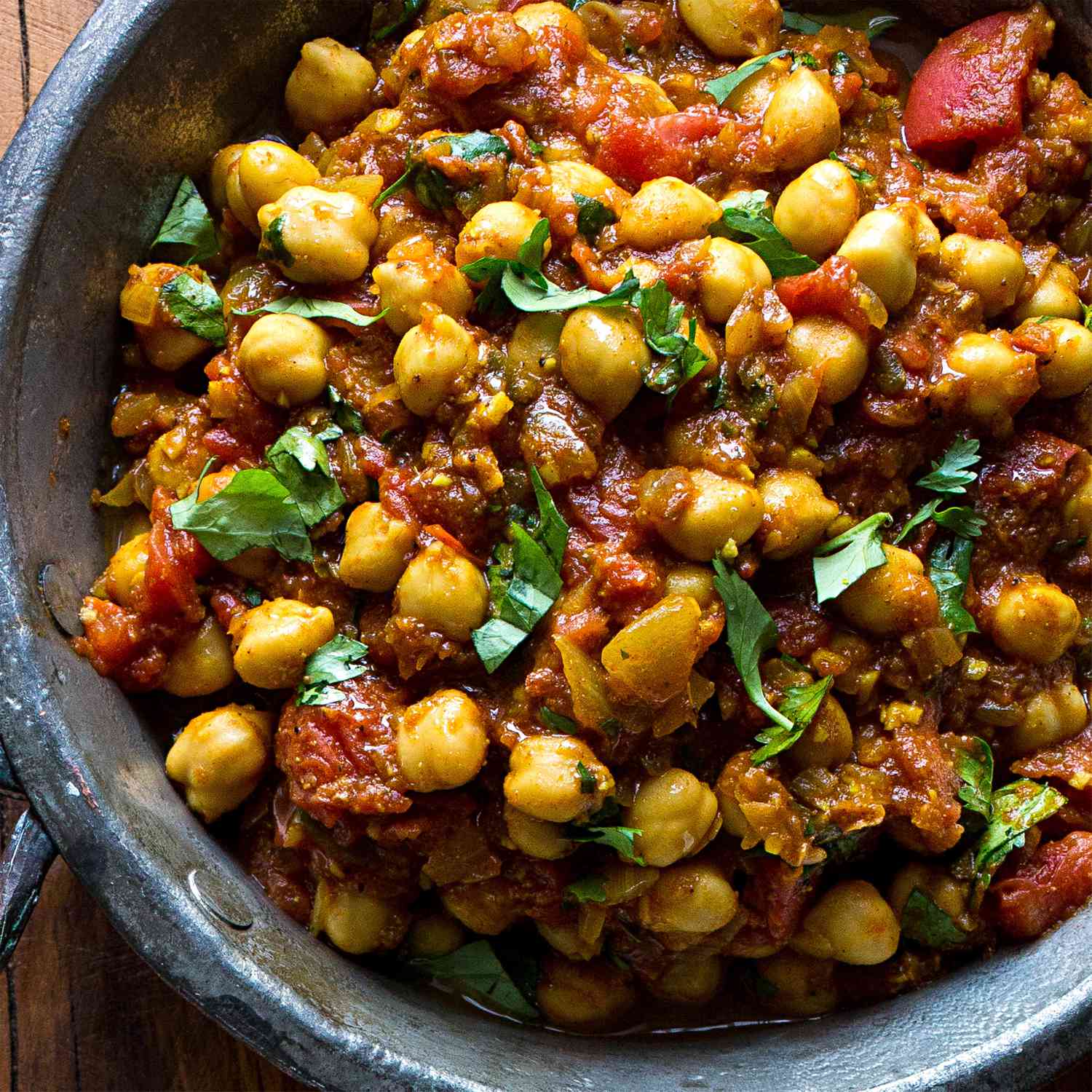
Future research could explore the following areas:
1. How narrative context on menus affects perceived flavor intensity and customer satisfaction.
2. Predictive models that suggest ingredient pairings based on volatile compound compatibility.
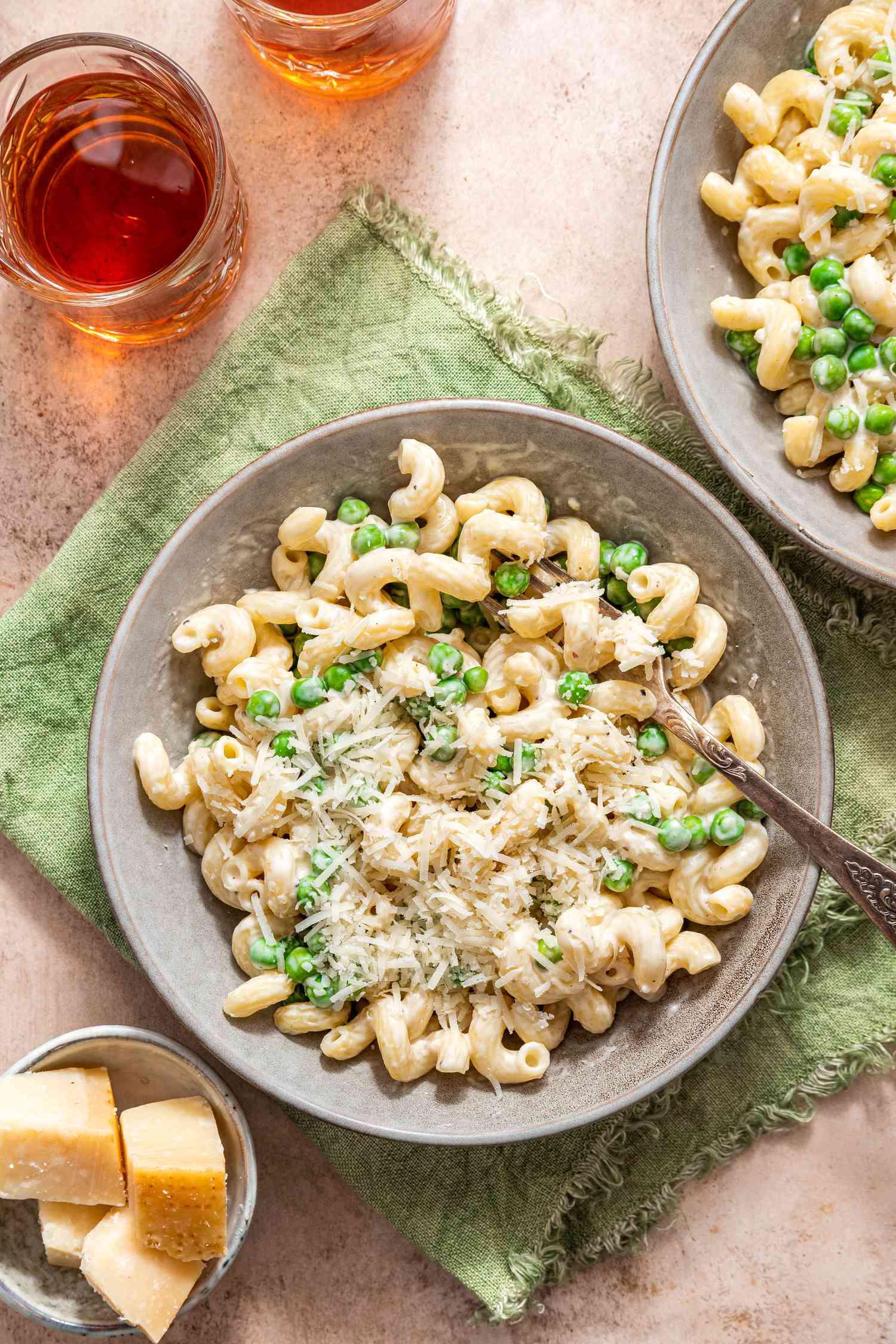
3. Community-driven archives that safeguard endangered regional recipes while enabling ethical adaptation.
By continuing to delve into the art and science of recipe creation, we can ensure that the culinary landscape remains vibrant, diverse, and innovative.