















The Art of Deviled Eggs: A Culinary Classic on Screen
Introduction
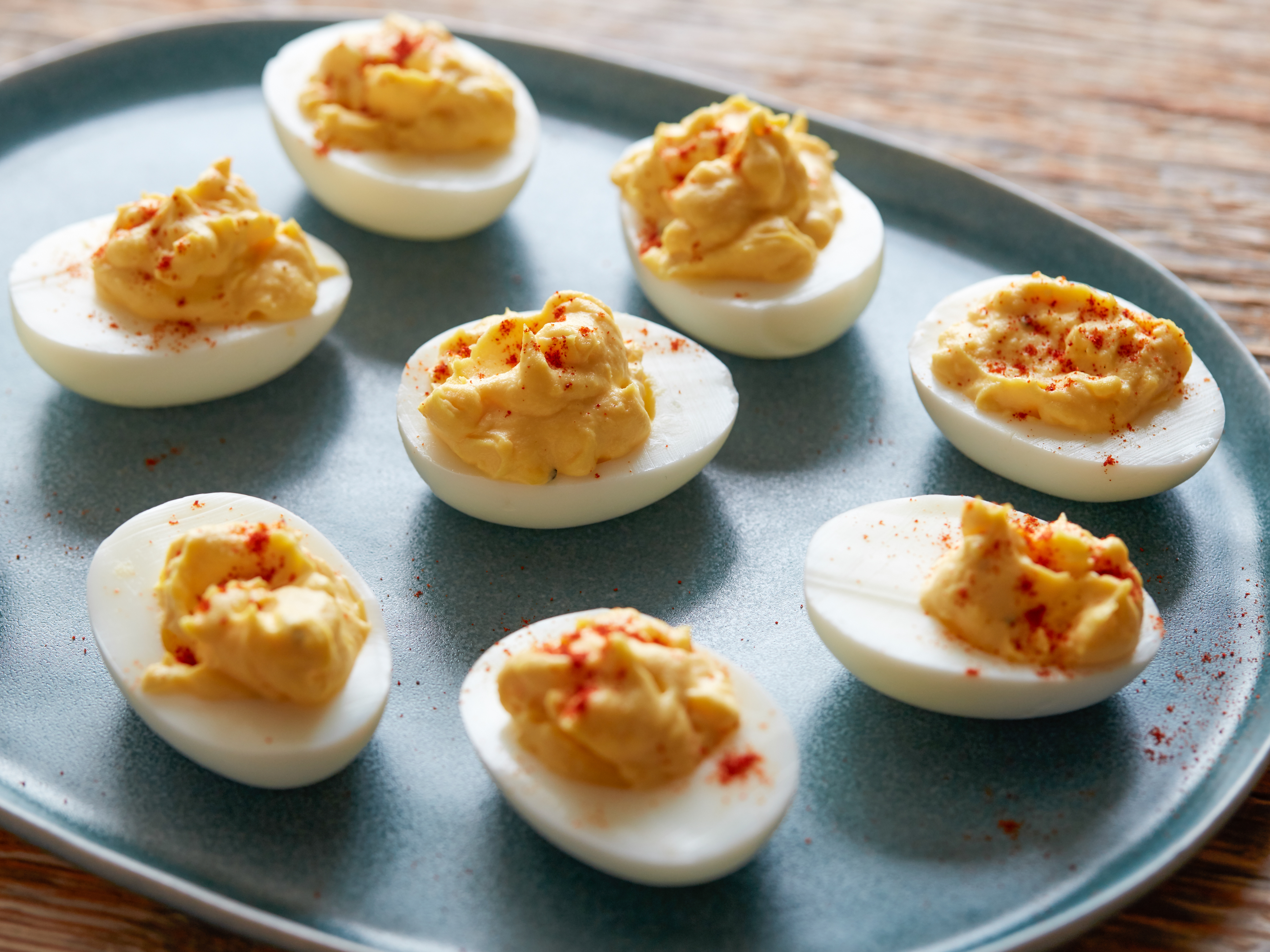
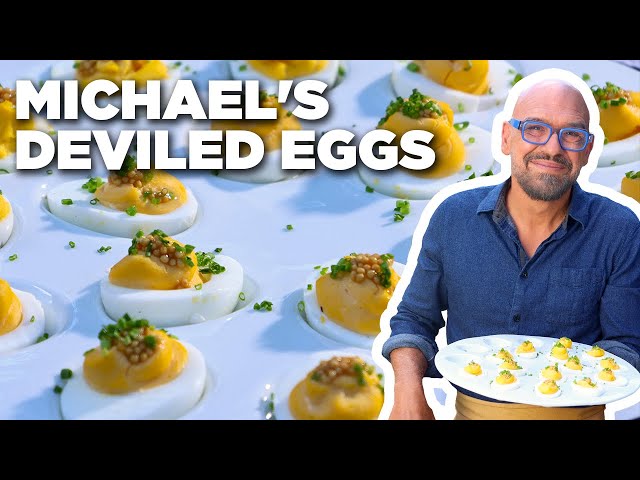
Deviled eggs have long been a favorite at gatherings across the country, turning up on picnic tables, holiday buffets, and brunch spreads alike. As cooking shows gained popularity, this simple appetizer stepped into the spotlight, giving chefs and home cooks a chance to re-imagine it for new audiences. This piece traces how the deviled egg has been presented on television, highlighting techniques, ingredients, and the small cultural moments that keep the dish relevant.
The Evolution of Deviled Eggs on Screen
1. The Classic Recipe
Early episodes focused on the traditional approach: hard-boiled eggs, mayonnaise, mustard, a pinch of salt, and a crack of pepper. Hosts stressed the value of farm-fresh eggs and balanced seasoning, reminding viewers that even the most familiar flavors benefit from care and quality.
2. Creative Twists
Once audiences grew more adventurous, chefs began folding in unexpected elements. Some swapped part of the mayo for ripe avocado to add color and richness, while others folded in minced peppers or a squeeze of citrus for brightness. These playful updates proved that the basic formula can travel far beyond the original.
3. Seasonal and Themed Deviled Eggs
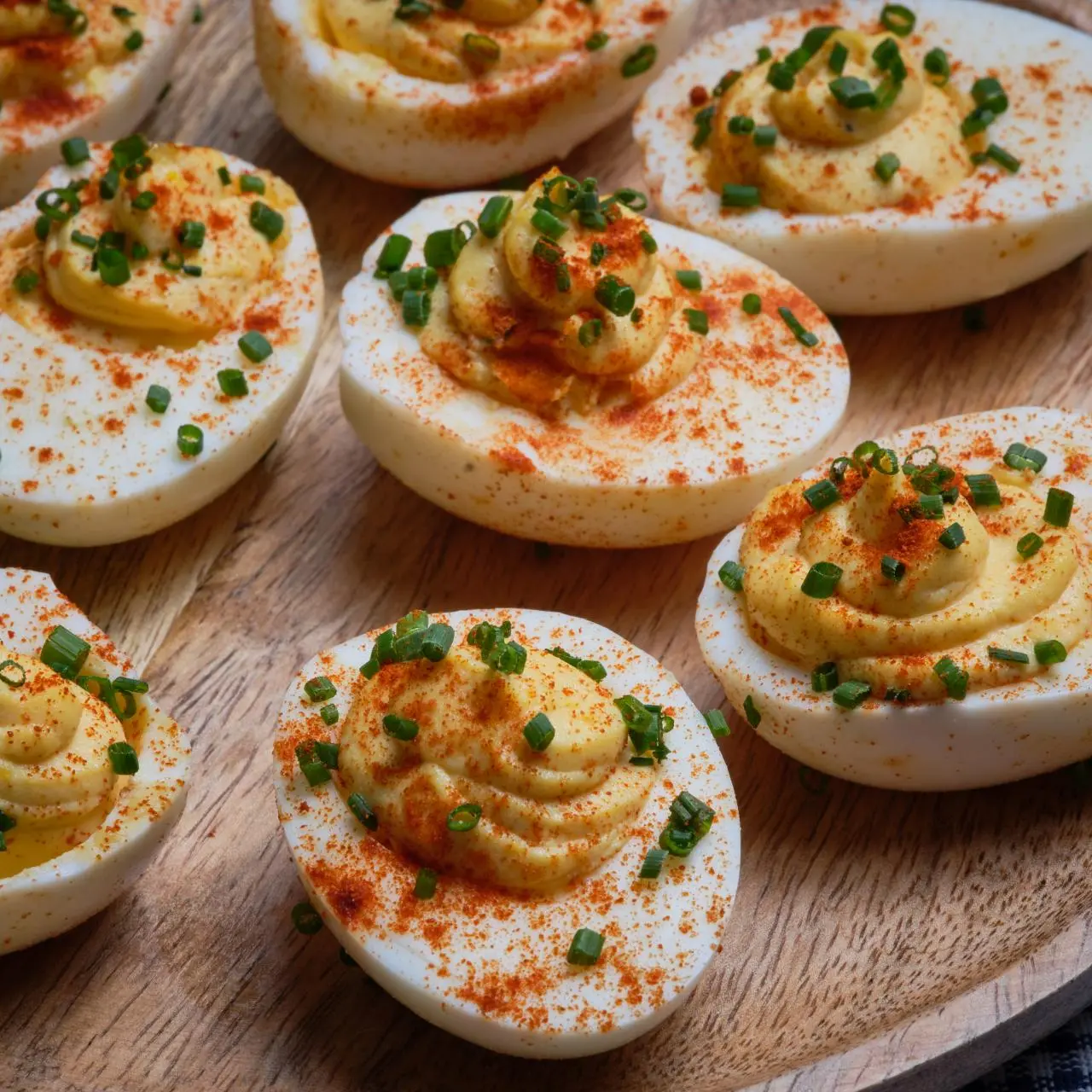
Holiday episodes soon featured eggs tinted in festive shades, while summer installments leaned on garden herbs, cool cucumber, and a whisper of lemon zest. The lesson: change the garnish and the seasoning, and the same snack can feel brand new.
The Significance of Deviled Eggs on Screen
1. Culinary Education
Step-by-step demonstrations taught viewers how to boil, peel, and pipe, turning a casual party staple into a teachable moment. Close-ups of yolk whipping and piping-bag techniques gave beginners the confidence to try it themselves.
2. Cultural Representation

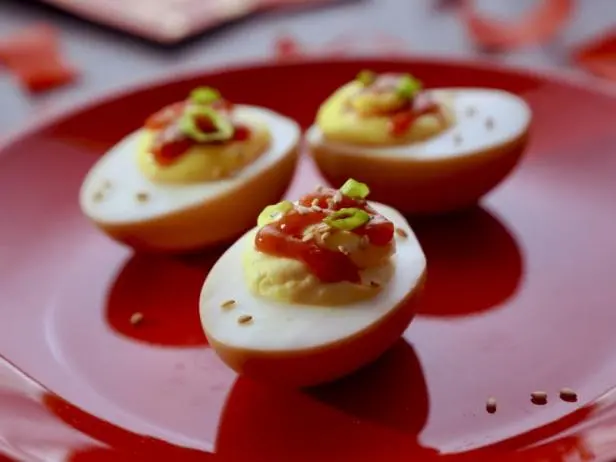
Cooks from varied backgrounds shared spins that echoed their own heritages—perhaps a dash of curry, a sprinkle of seaweed, or a drizzle of chili oil—showing how one template can welcome countless traditions.
3. Social Connection
Recipe segments sparked online threads where fans posted photos of their own colorful platters, trading tips on everything from peeling hacks to smoky salt substitutes. The result was a friendly, nationwide swap meet centered on a single bite-sized snack.
The Science Behind Deviled Eggs
1. The Perfect Hard-Boiled Egg
Gentle heat, timely ice baths, and slightly older eggs make peeling easier and keep the whites tender. Visual cues—no green ring, a centered yolk—signal success.
2. Emulsifying the Mayonnaise
A touch of mustard acts as an emulsifier, binding yolk, fat, and acid into a silky filling that holds its shape when piped. A splash of vinegar or lemon juice brightens the mix without thinning it.
3. Seasoning and Flavors
Salt heightens the egg’s natural sweetness, pepper adds bite, and extras like smoked paprika or fresh dill create layers of aroma. The goal is balance: no single note should shout above the rest.
Conclusion
From modest potlucks to televised cooking battles, deviled eggs have proven their staying power. Each new rendition keeps the tradition alive, inviting cooks of every skill level to crack, mix, and garnish their way onto the shared table.
Recommendations and Future Research
To follow the continuing story of this appetizer, consider exploring:
1. Cross-cultural fillings and toppings that reflect regional tastes.
2. The role of online platforms in accelerating recipe swaps and visual trends.
3. The place of simple classics in modern culinary classrooms and heritage discussions.
Deeper looks into these areas will show how a single stuffed egg keeps adapting without ever losing its essential charm.