














What Can I Make to Eat: A Comprehensive Guide to Meal Planning and Cooking
Introduction

Planning and preparing meals is part of everyday life, offering nourishment, comfort, and a rewarding sense of creativity. Whether your schedule is packed with meetings, lectures, or household tasks, the question “What can I make to eat?” still pops up several times a week. This guide walks you through practical strategies, fresh ideas, and reliable tips so you can answer that question quickly and confidently.
Understanding Meal Planning
What is Meal Planning?

Meal planning is simply deciding in advance what you will eat, shopping for the ingredients, and setting aside time to cook. A little forethought keeps your kitchen stocked with balanced, tasty options and removes the daily guesswork.
Benefits of Meal Planning
1. Cost-Effectiveness: Buying only what you need trims waste and lowers grocery bills.

2. Nutritional Balance: Mapping meals in advance makes it easier to include vegetables, whole grains, and lean proteins every day.
3. Time Efficiency: Knowing what’s for dinner before you walk in the door speeds up cooking and reduces stress.
4. Health Benefits: Home-cooked dishes usually contain less salt, sugar, and saturated fat than take-out alternatives.

Exploring Cooking Techniques
Basic Cooking Techniques
1. Sautéing: Quick cooking in a shallow pan with a splash of oil; perfect for tender vegetables, fish, or thin cuts of meat.

2. Boiling: Submerging food in bubbling water; ideal for pasta, rice, or crisp-tender veggies.
3. Baking: Surrounding food with steady, dry heat; great for casseroles, breads, and sheet-pan dinners.
4. Grilling: Cooking over direct heat; adds smoky flavor to poultry, plant-based proteins, and summer produce.

Advanced Cooking Techniques
1. Marinating: Soaking ingredients in seasoned liquid to deepen flavor and improve texture.
2. Blanching: Briefly boiling vegetables, then plunging them into ice water to lock in color and nutrients.
3. Poaching: Gently simmering food in water or broth at low temperature for delicate, moist results.
What Can I Make to Eat: Recipe Ideas
Quick and Easy Meals
1. Omelette: Whisk eggs, pour into a hot pan, and fold in any leftover vegetables, cheese, or herbs.
2. Salad: Toss leafy greens with a handful of nuts, seeds, or beans, plus a simple vinaigrette.
3. Soup: Simmer vegetables, grains, and a protein of choice in seasoned broth for a one-pot meal.

Healthy Meals
1. Quinoa Salad: Combine chilled quinoa with diced cucumber, cherry tomatoes, parsley, and lemon juice.
2. Grilled Chicken: Marinate chicken briefly in olive oil, garlic, and herbs, then grill and serve alongside roasted vegetables.

3. Vegetable Stir-Fry: Sear mixed vegetables in a hot wok, splash with soy sauce and sesame oil, and serve over brown rice.
Comfort Food
1. Macaroni and Cheese: Stir whole-wheat pasta into a light cheese sauce, then fold in steamed broccoli for extra color.
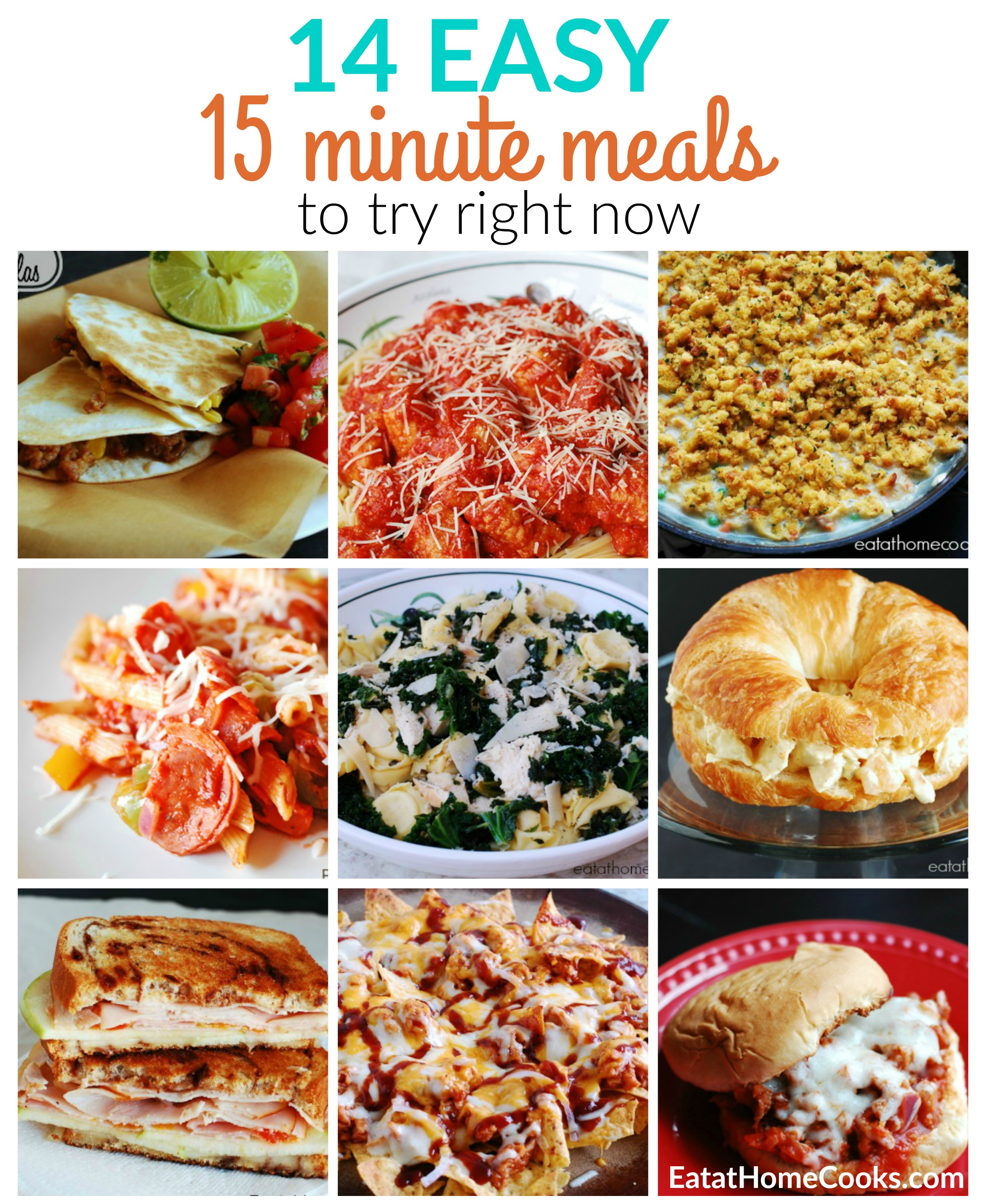
2. Chicken Pot Pie: Top a skillet of chicken, carrots, peas, and creamy filling with a sheet of puff pastry and bake until golden.
3. Beef Stew: Slow-cook chunks of beef with potatoes, carrots, and tomatoes until fork-tender.
Tips for Successful Meal Planning and Cooking
Time Management
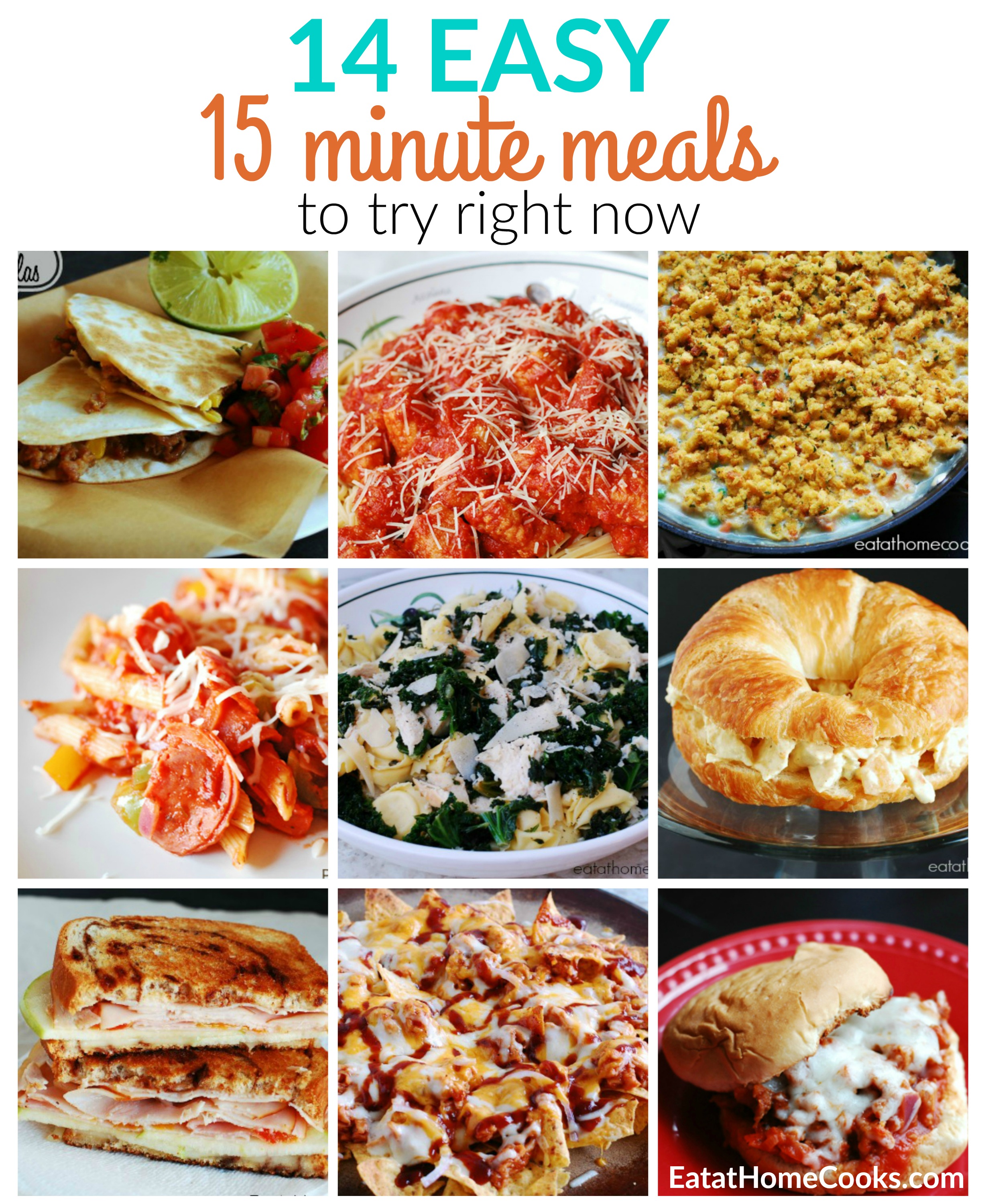
1. Plan Your Meals in Advance: Jot down a weekly menu before you shop to streamline kitchen time.
2. Batch Cooking: Make double portions of soups, stews, or grains and freeze half for busy nights.
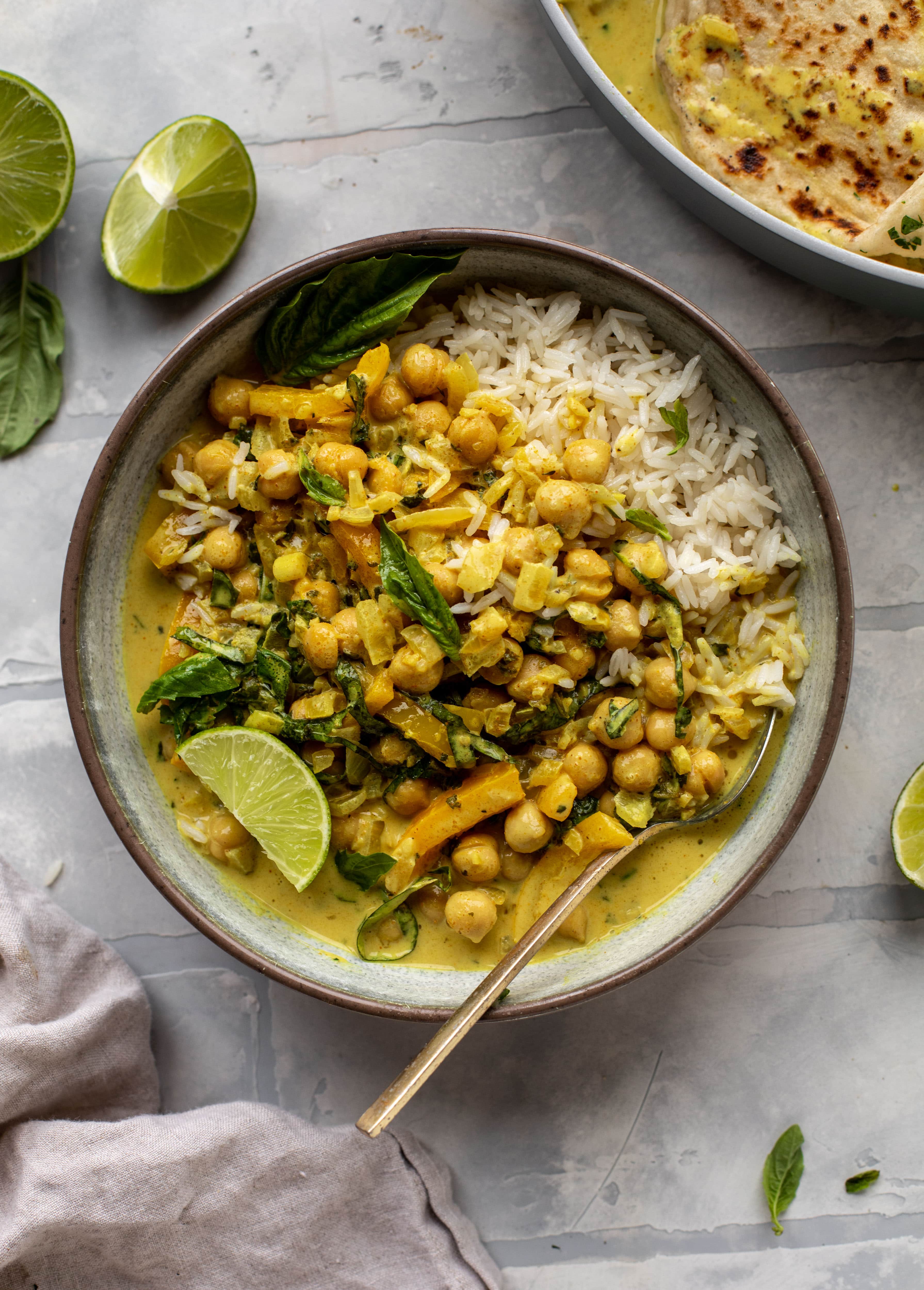
3. Use a Timer: Prevent over- or under-cooking by setting a kitchen timer or phone alarm.
Budgeting
1. Create a Grocery List: Stick to the list to avoid impulse purchases.
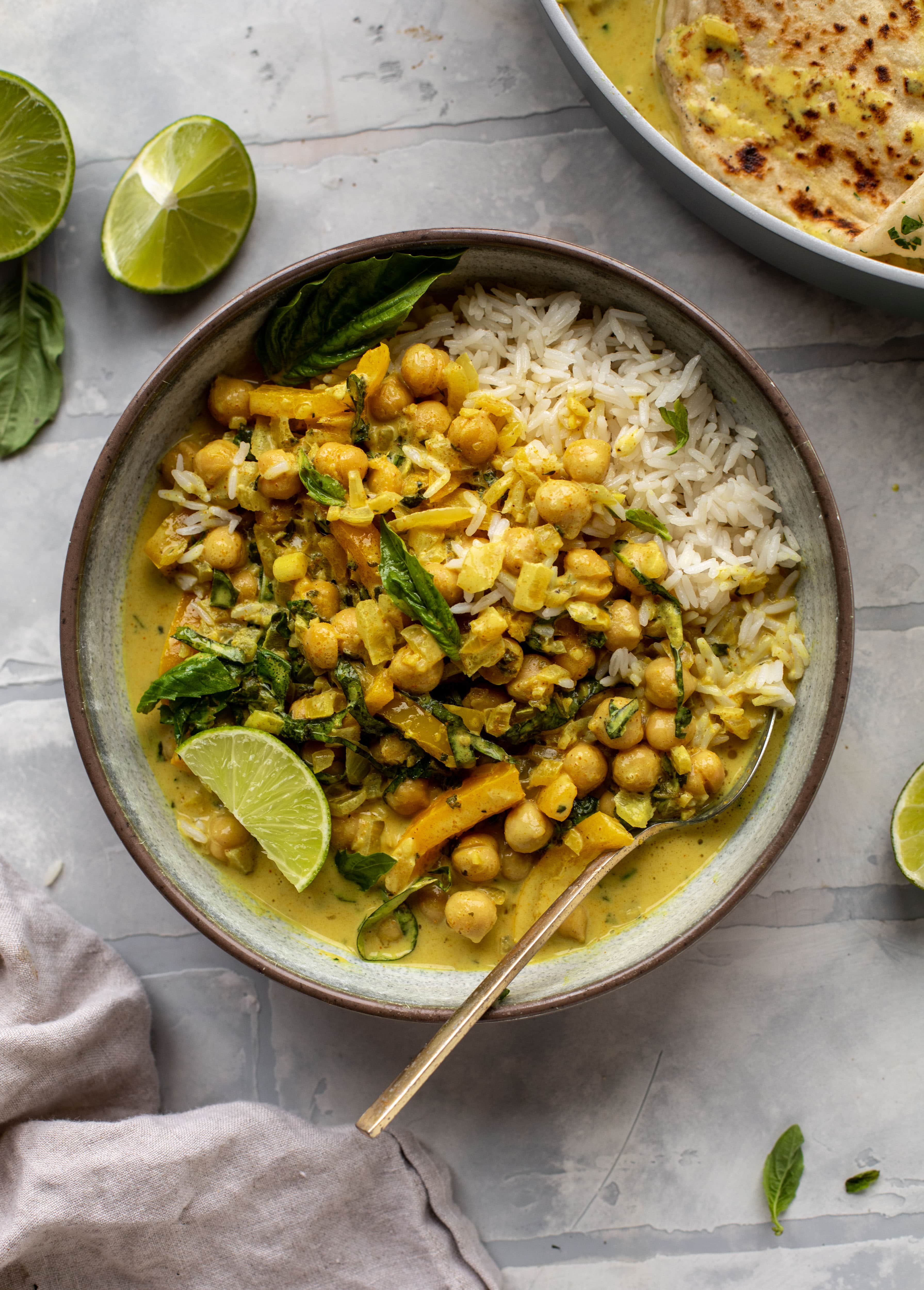
2. Compare Prices: Check store flyers or apps for discounts on staples you use often.
3. Buy in Bulk: Stock up on shelf-stable items like oats, lentils, and spices when prices dip.
Storage and Organization
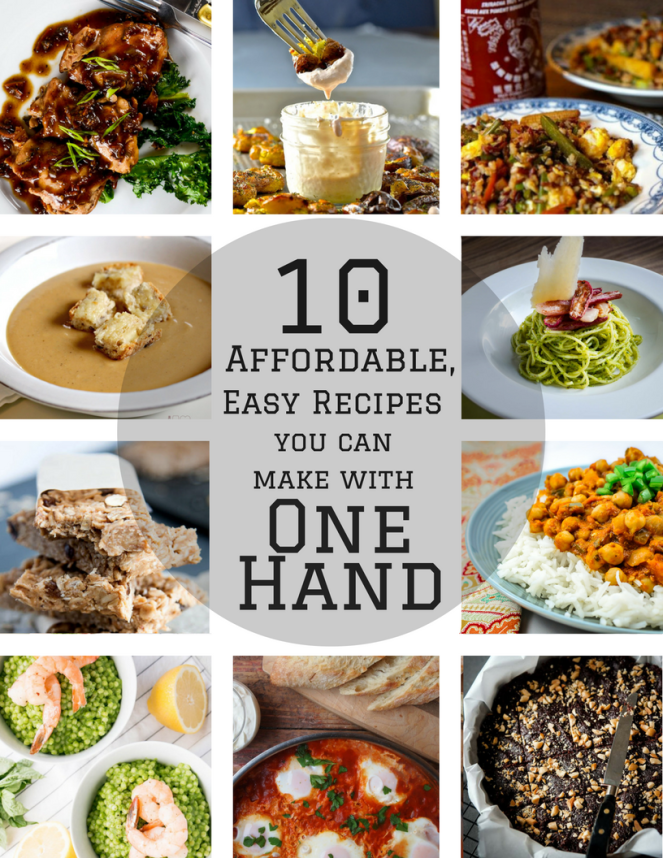
1. Keep Your Fridge and Pantry Organized: Group similar items together so nothing gets lost in the back.
2. Label Your Containers: Mark contents and dates to track freshness at a glance.
3. Use a Storage System: Drawer dividers, clear bins, or tiered shelves maximize space and visibility.
Conclusion
Mastering meal planning and everyday cooking leads to healthier choices, lower stress, and more enjoyable meals. By learning a handful of reliable techniques, experimenting with versatile recipes, and staying organized, you will always have a satisfying answer to the question “What can I make to eat?”