





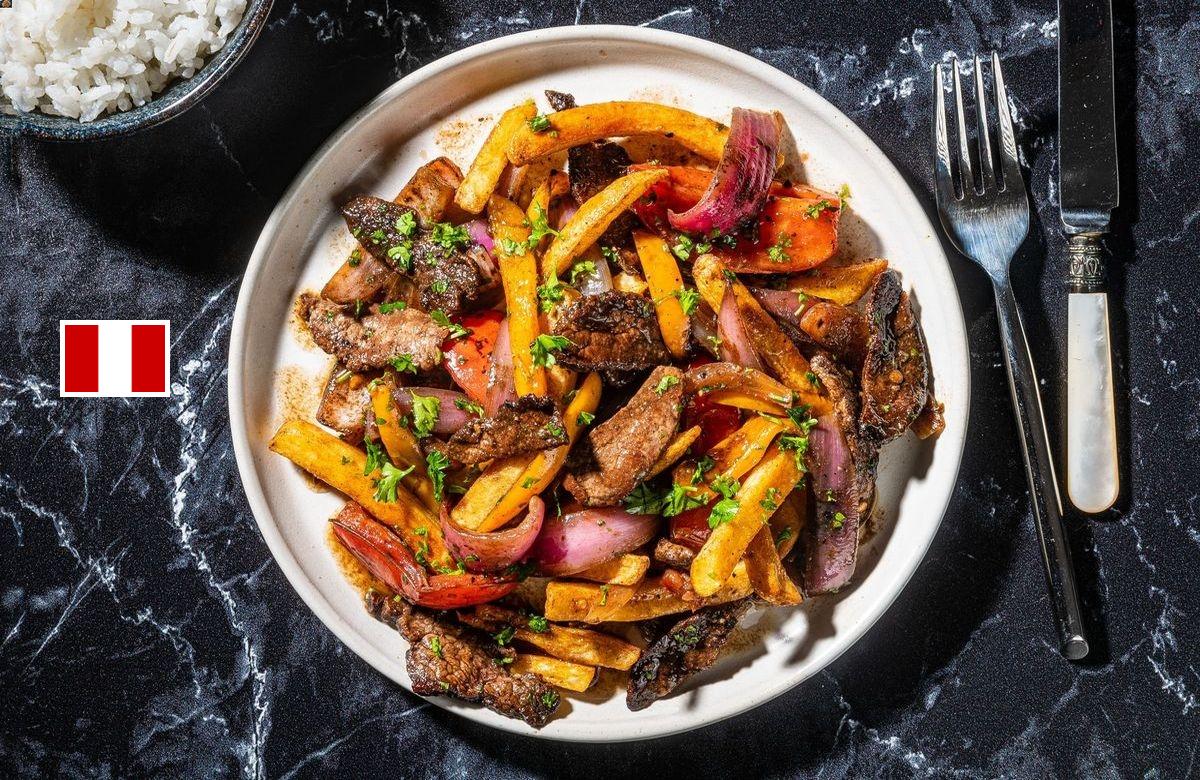
Lomo Saltado (Peruvian Stir-Fried Beef With Onion, Tomatoes, and French Fries) Recipe
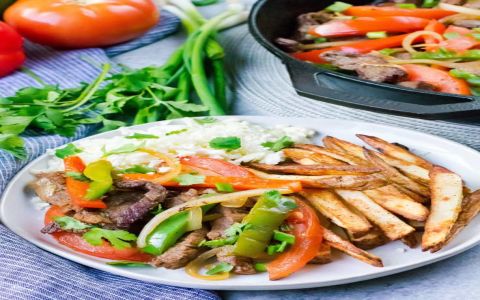
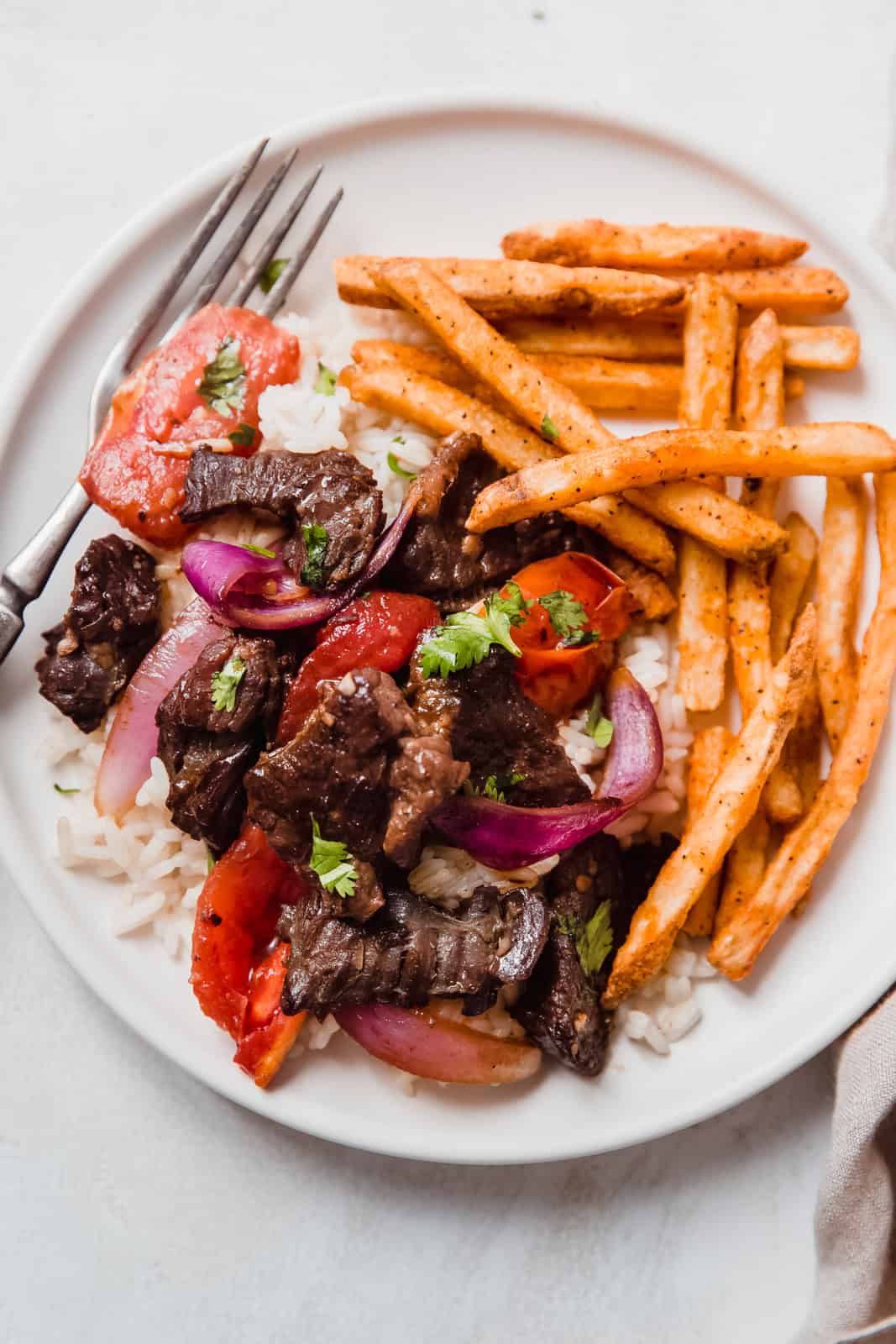
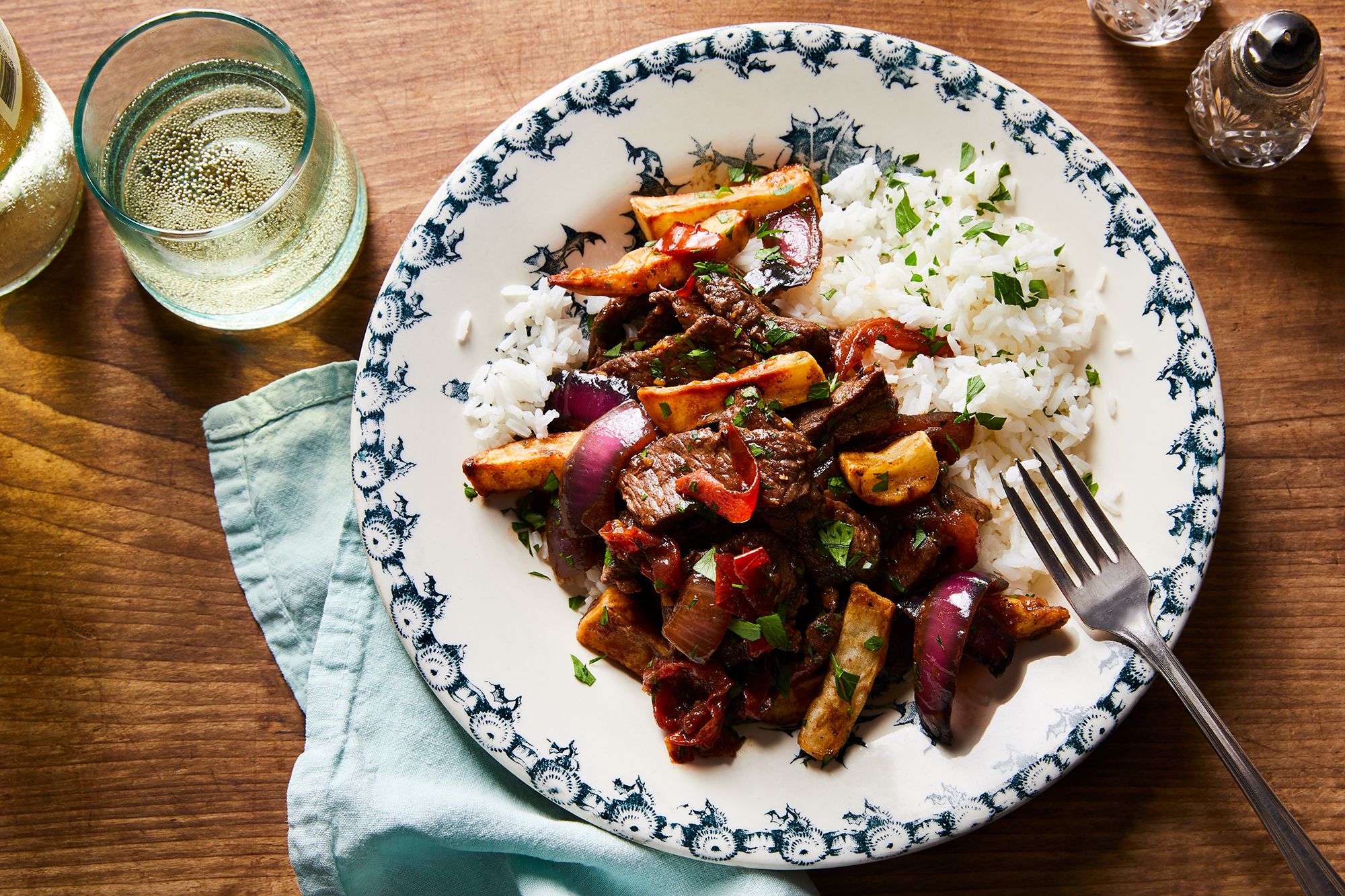
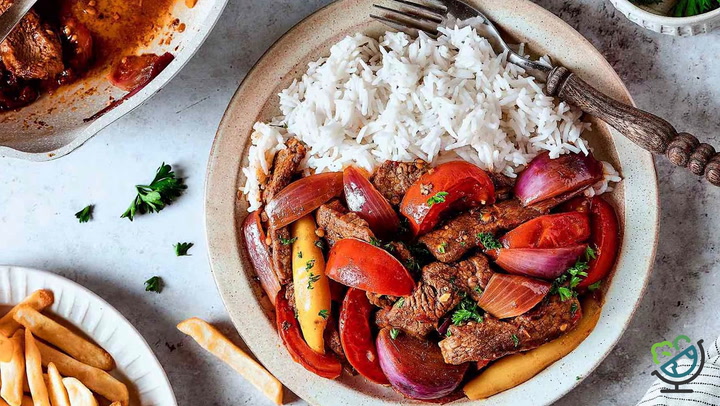
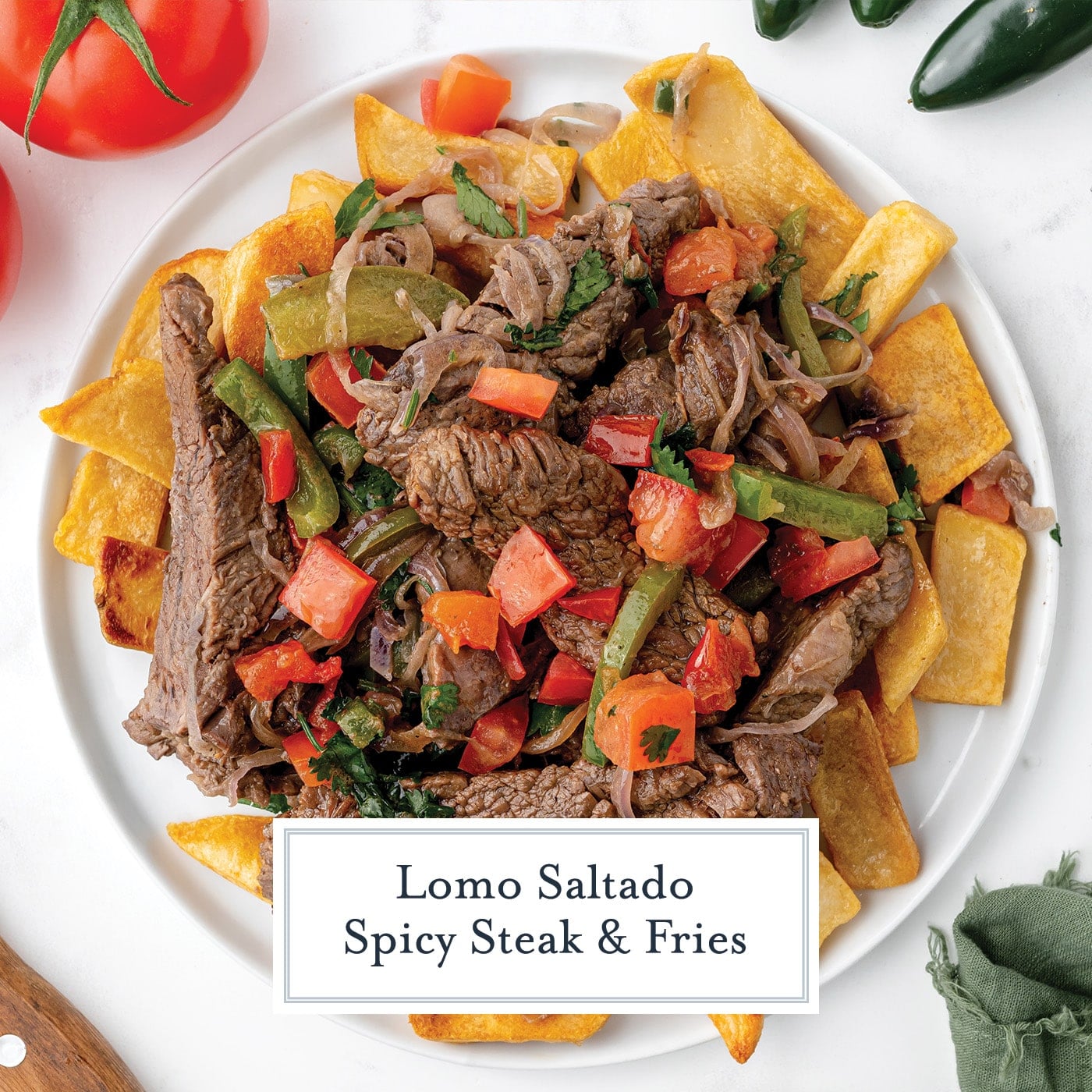
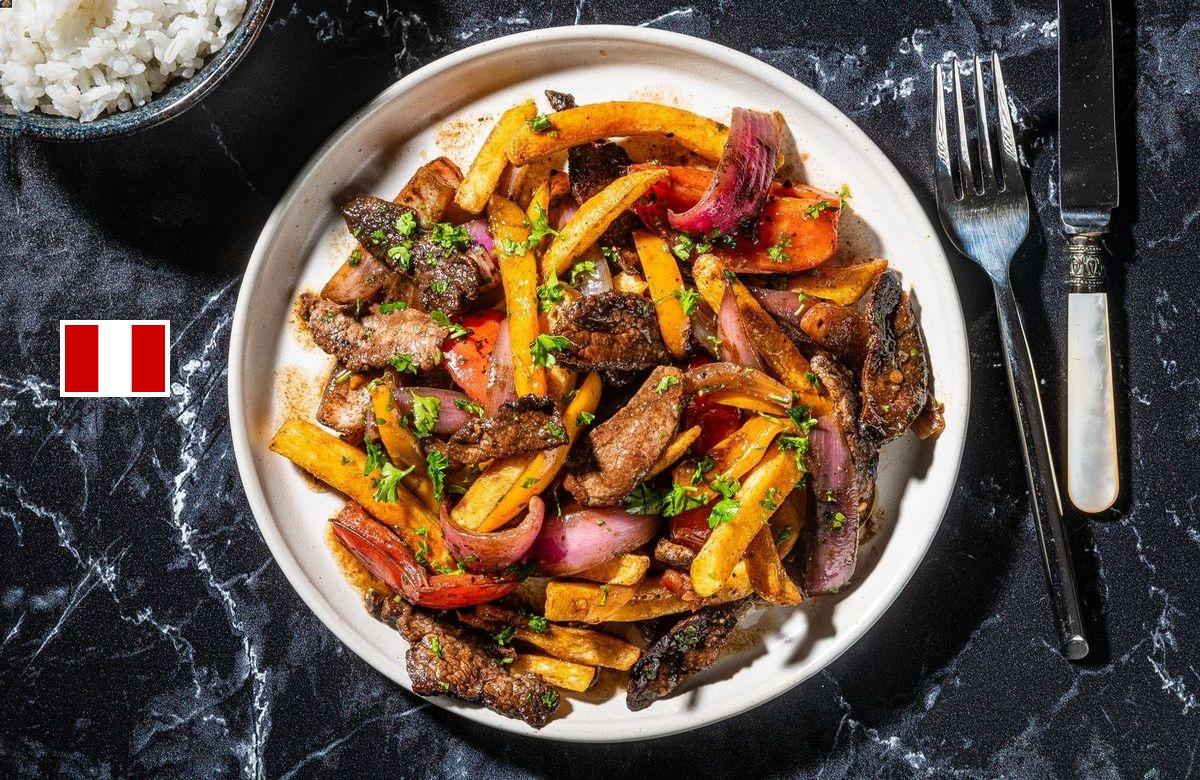
Lomo saltado, a classic Chinese-Peruvian stir-fry, unites tender, deeply seared beef, blistered onions, juicy tomatoes, and crispy French fries in a harmonious blend of flavors and cultures. At first glance, it might seem like a makeshift dish—something thrown together to use up fridge staples—but its simplicity belies a thoughtful balance of ingredients, reflecting the dish’s rich heritage.
The Story Behind Lomo Saltado
This dish is a staple of chifa, the Chinese-Peruvian hybrid cuisine born from the traditions of Chinese immigrants who settled in South America over a century ago. Chifa fuses indigenous Peruvian ingredients (potatoes, tomatoes, peppers) with Chinese techniques (stir-frying) and flavors (soy sauce), creating a unique culinary fusion. Lomo saltado honors both cultures: it pairs rice (a Chinese staple) with potatoes (a Peruvian staple) and uses high-heat stir-frying to lock in depth of flavor.
The Secret to Perfect Lomo Saltado
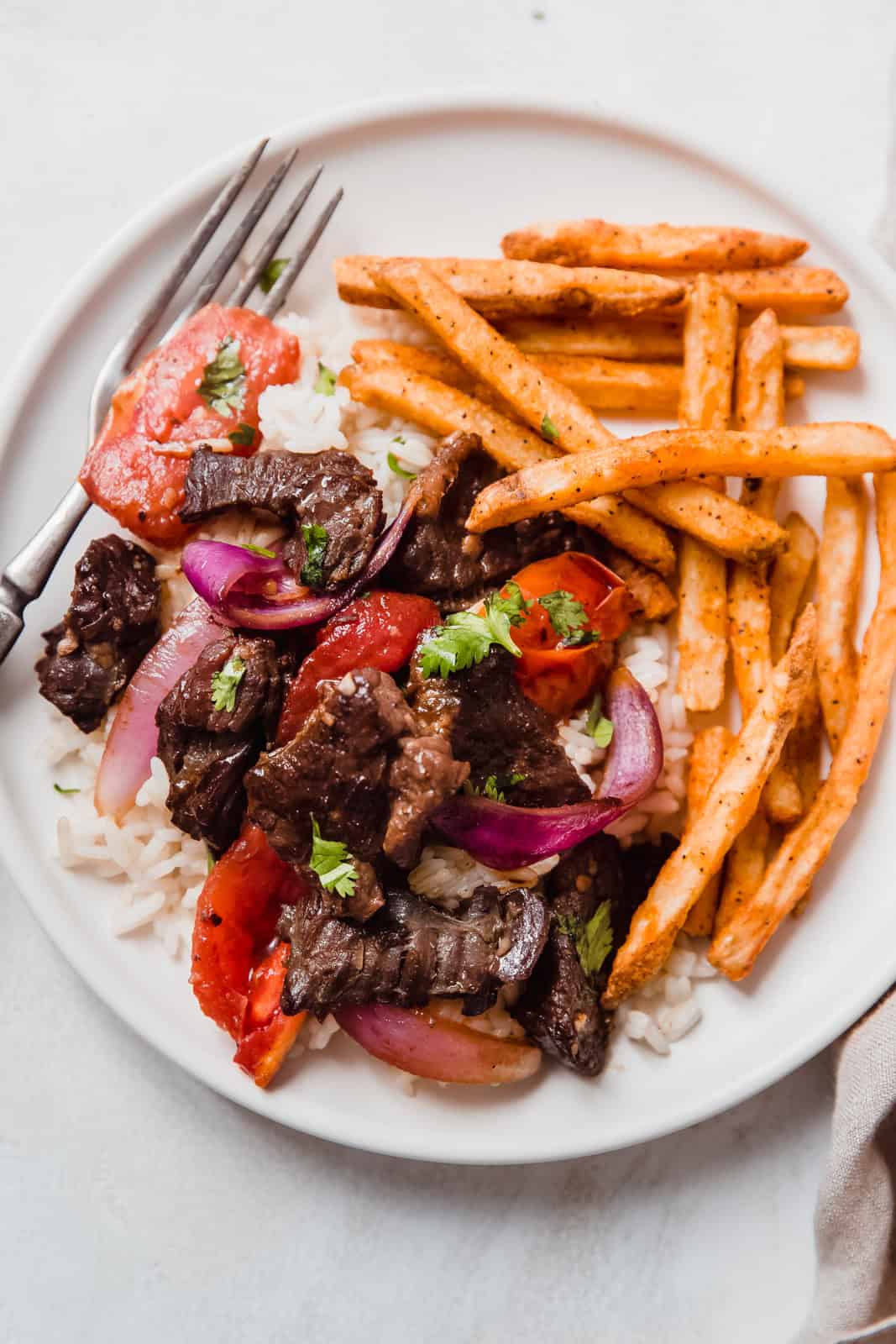
Great lomo saltado relies on three key elements—each equally important to achieving that authentic taste and texture.
1. Choose the Right Beef
Lomo (Spanish for “loin”) can refer to several cuts, but for lomo saltado, opt for a tender, quick-cooking cut with minimal collagen. Top choices include:

– Tenderloin (filet mignon): The most tender, though less flavorful and more expensive.
– Sirloin: Tender and flavorful, but prone to drying out if overcooked.
– Skirt steak: A favorite for its bold beef flavor and slight chew—ideal for stir-frying.
Some Peruvian butchers recommend huachalomo (a chuck cut), but it’s hard to find outside of Peru. If you encounter it, ensure it’s a tender part (like the teres major, or “faux filet”) to avoid gristle.
No matter the cut, slice against the grain (perpendicular to muscle fibers) into thin strips. This breaks down tough strands and ensures every bite is tender.
2. Master the Stir-Fry
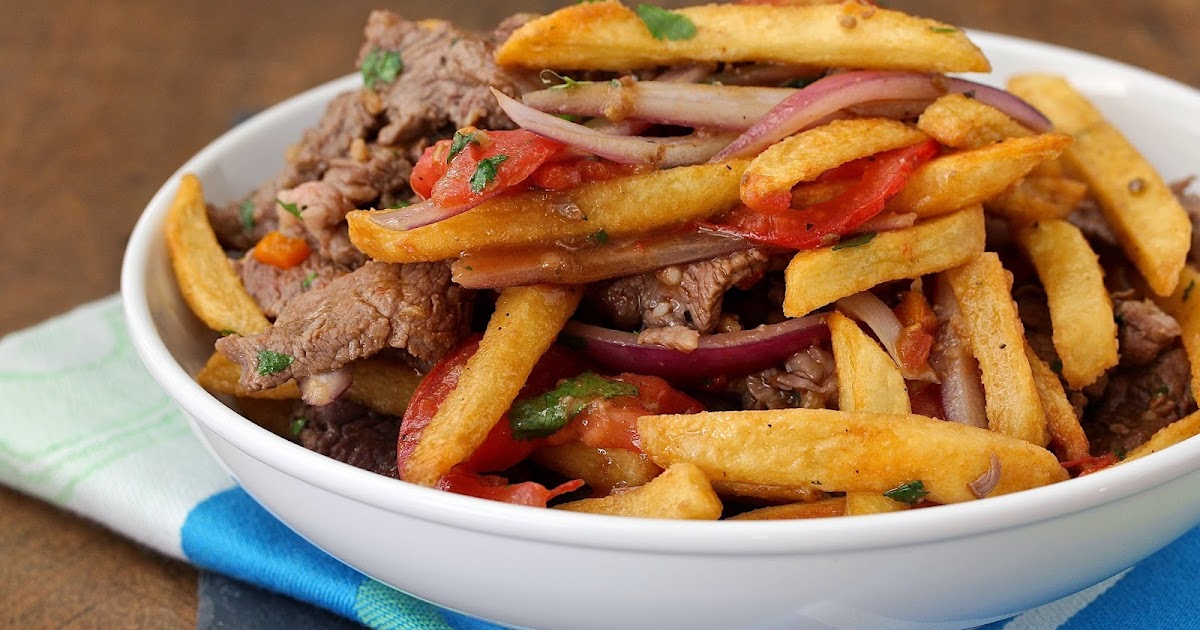
Stir-frying is the heart of lomo saltado, and doing it right requires:
– High Heat: Use a wok or large cast-iron skillet over the highest heat your stove can handle. The pan should be smoking hot before adding oil.
– Small Batches: Overcrowding the pan steams food instead of searing it, losing the critical wok hei (smoky, seared flavor). Split beef and onions into 2–3 batches—this takes longer but is worth it for the flavor.
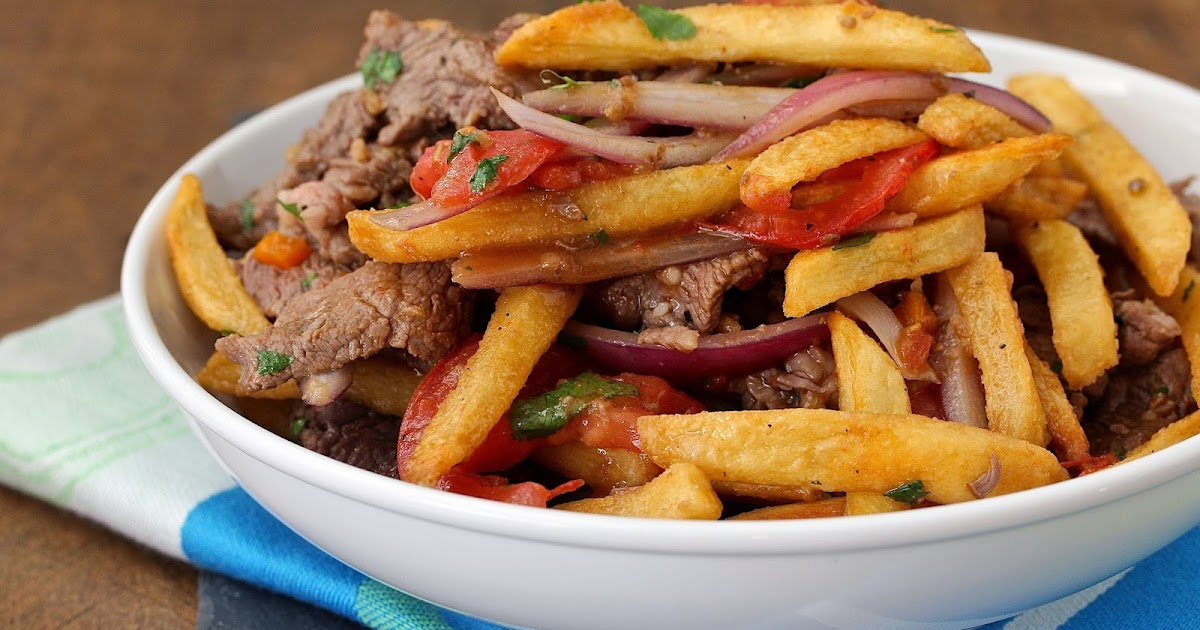
For an extra smoky kick, intentionally let oil combust (create flames) when tossing beef—optional and best done over a gas stove with ventilation. If nervous, skip it—your dish will still shine.
3. Fry the Perfect Fries
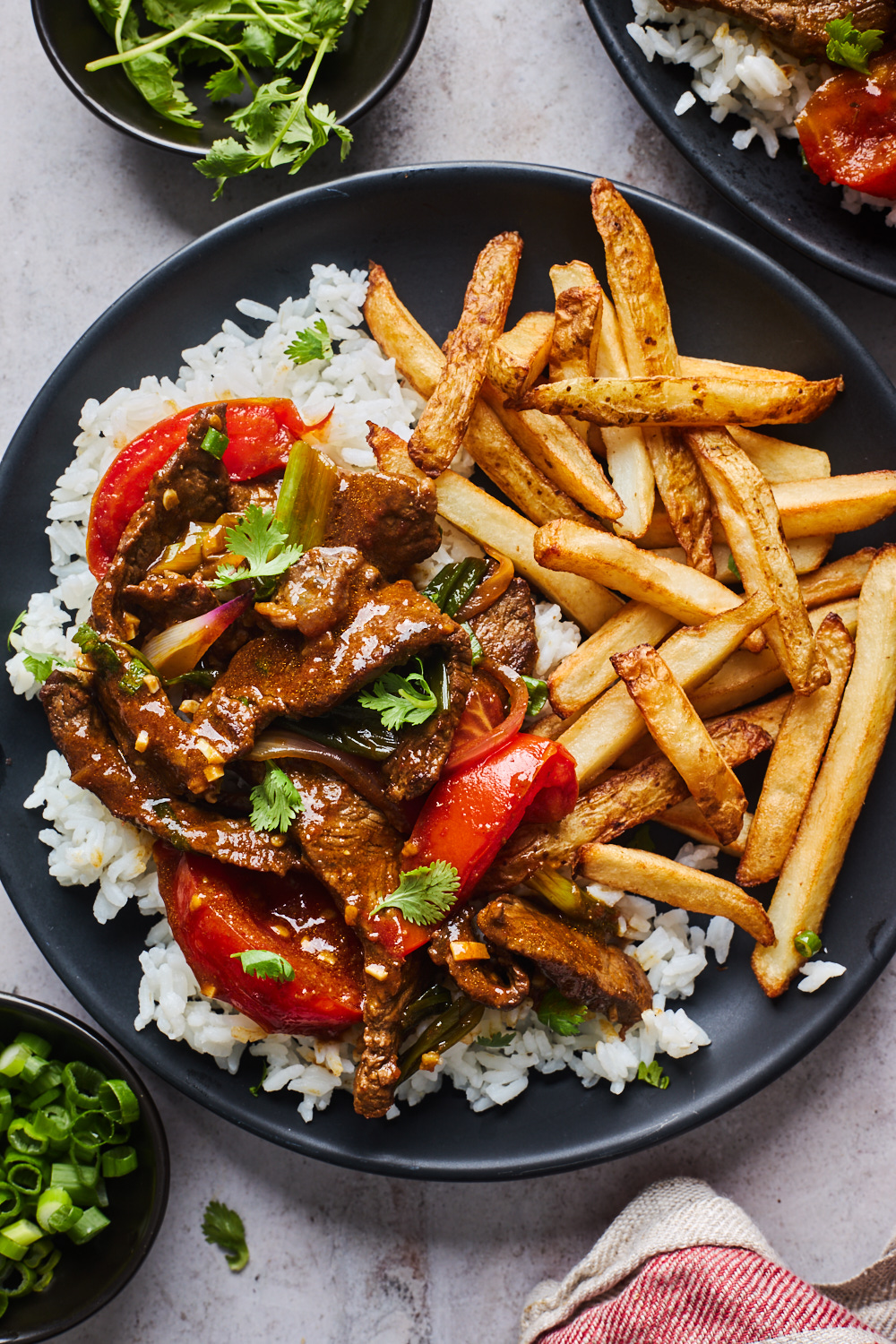
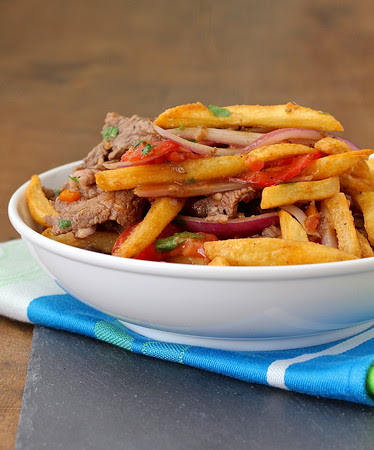
French fries are non-negotiable—they add a crispy contrast to the savory stir-fry. Homemade fries are best (store-bought works in a pinch), and you can serve them two ways:
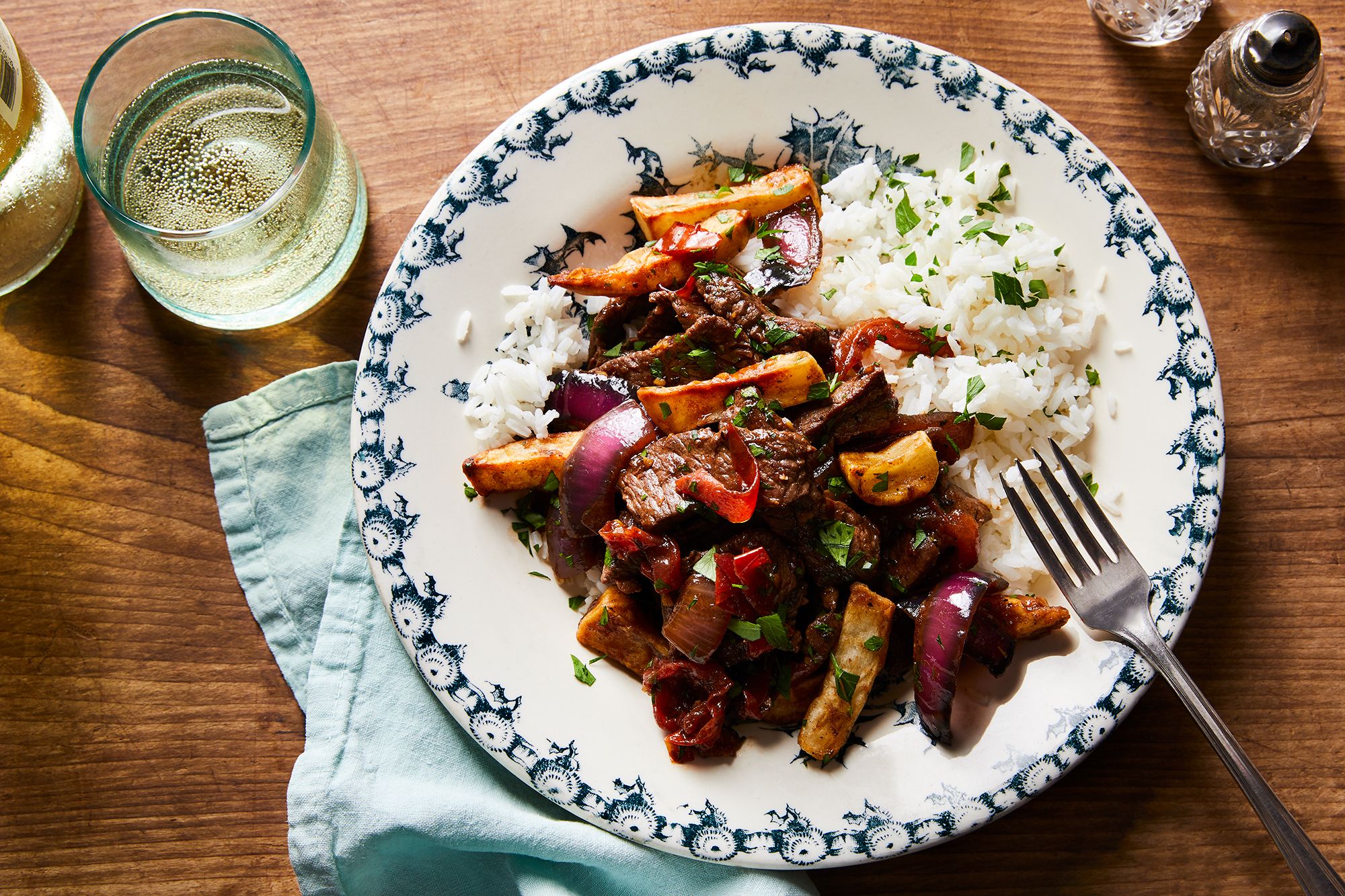
– Tossed in Sauce: For a soggy-but-delicious twist, add fries to the pan at the end.
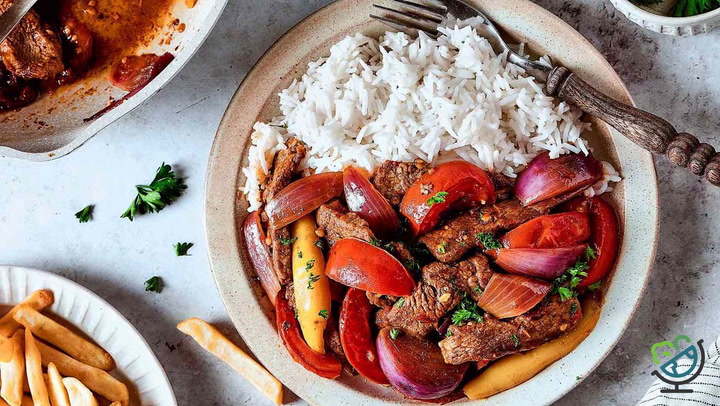
– On the Side: Keep them crispy and dip in sauce as you eat.
In Peru, fries are often thick “steak fries” made with yellow potatoes. Use your favorite style—just ensure they’re crispy!
Step-by-Step Lomo Saltado Recipe
Now that you know the secrets, let’s dive into the recipe. Follow these steps for an authentic, delicious lomo saltado.
Ingredients

1 pound (450 g) beef tenderloin, skirt steak, or other tender, quick-cooking steak
¼ cup (60 ml) peanut, canola, or vegetable oil (divided, plus more if needed)
Kosher salt (to taste)
1 medium (8 ounces; 225 g) red onion (cut into ½-inch slices)
4 scallions (about 2 ounces; 60 g) (trimmed and cut into 2-inch lengths)
1 fresh or frozen ají amarillo pepper (about 2 ounces; 60 g) (defrosted, stemmed, seeded, and sliced into matchsticks)

2 medium plum tomatoes (about 5 ½ ounces; 160 g) (cored and cut into ¾-inch wedges)
2 garlic cloves (minced)
1-inch piece fresh ginger (peeled and minced)
1 tablespoon + 1 teaspoon (20 ml) soy sauce
1 tablespoon (15 ml) apple cider vinegar
2 teaspoons minced fresh cilantro
Freshly ground black pepper (to taste)
French fries (homemade preferred) (for serving)
Cooked long-grain rice (for serving)
Directions
Prepare the Beef: Slice the beef against the grain into ½-inch-thick strips. Season generously with kosher salt—this helps the beef brown better.
Stir-Fry the Beef: Heat 2 tablespoons (30 ml) oil in a wok or skillet over high heat until smoking. Add a small batch of beef (don’t overcrowd the pan—leave space between strips). Let it sear for 30 seconds to 1 minute until charred on one side. Toss to cook evenly—if using a gas stove, you can intentionally let oil combust (flames) for extra flavor (optional). Transfer to a heatproof platter and repeat with remaining batches, adding more oil if needed. Reserve the beef juices—they’re key to a rich sauce.
Sear the Onion: Return the pan to high heat and add 1 tablespoon (15 ml) oil. Add a small batch of onion and cook for 30 seconds until deep brown and crisp-tender (avoid overcooking—you want a slight crunch). Transfer to the platter with the beef and repeat with remaining onion.
Cook the Vegetables: Heat 1 tablespoon (15 ml) oil in the pan. Add scallions and cook for 30 seconds until seared on the bottom. Push them to the side, add the ají amarillo pepper, and cook for another 30 seconds. Add tomatoes (don’t stir too much—keep them firm) and stir in garlic and ginger. Sauté for 15 seconds until fragrant (don’t burn the garlic!).
Finish the Sauce: Return the beef (and its juices) and onion to the pan. Add soy sauce and apple cider vinegar, tossing to combine. The liquids will reduce into a rich, savory sauce—cook for 1–2 minutes until everything is well coated. Stir in cilantro and season with black pepper.
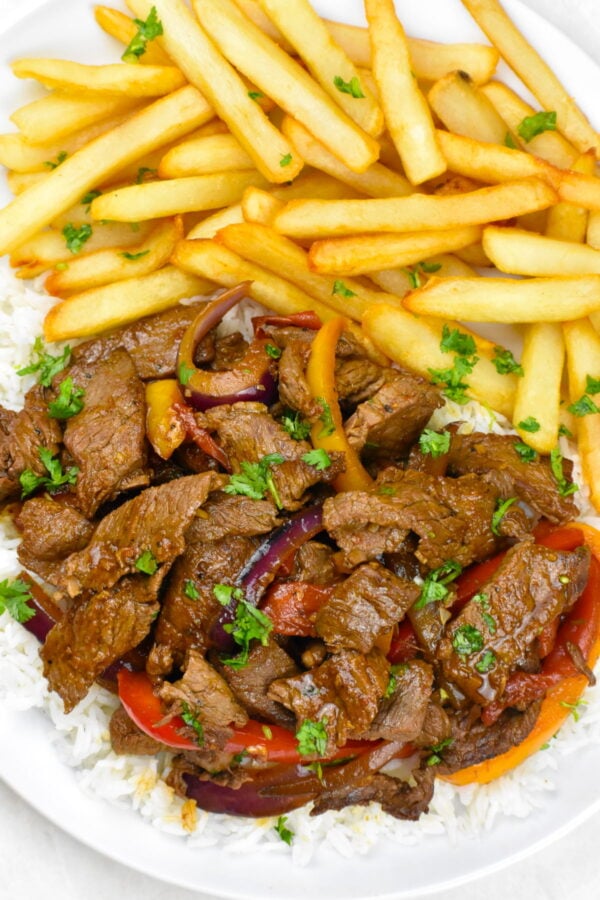
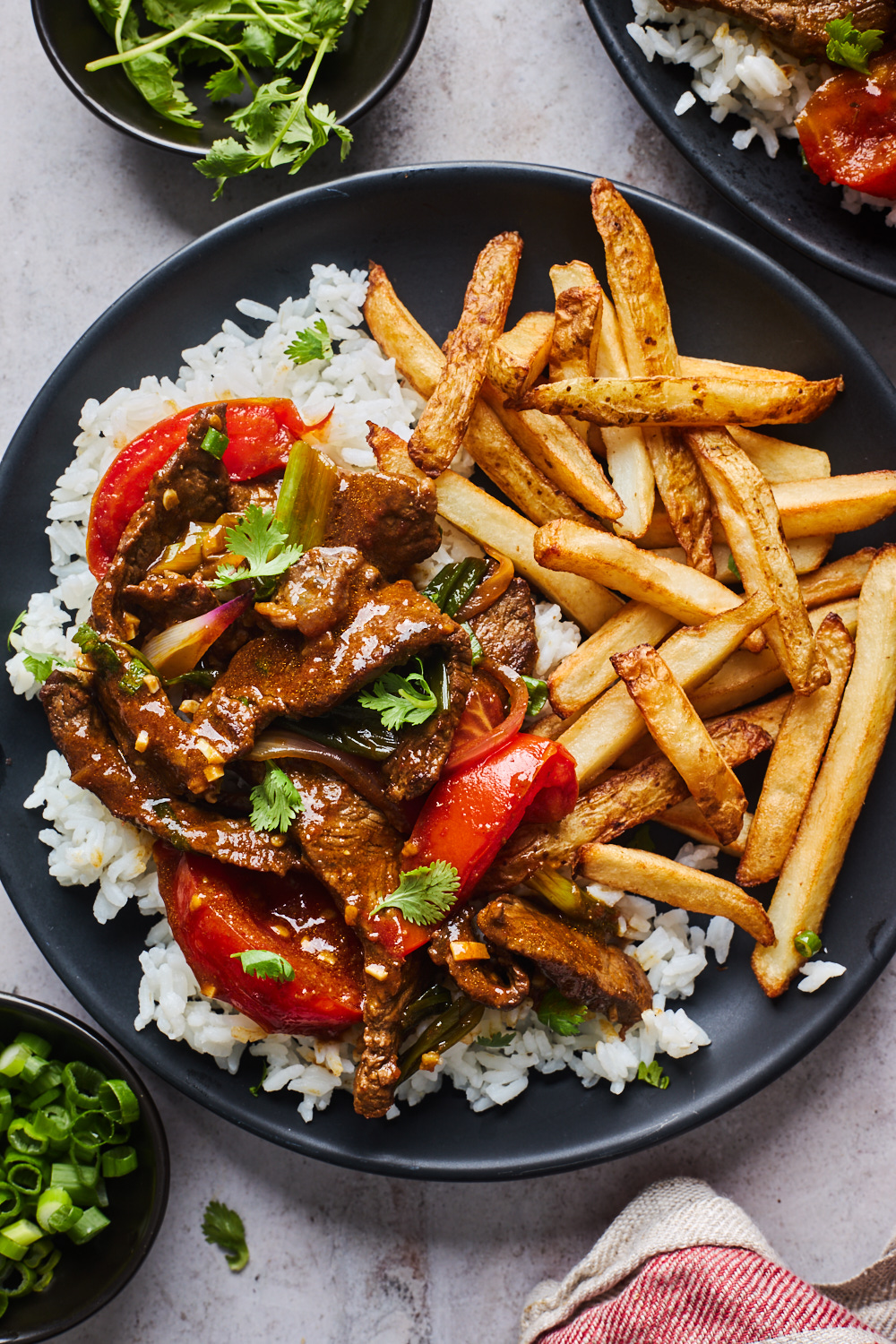
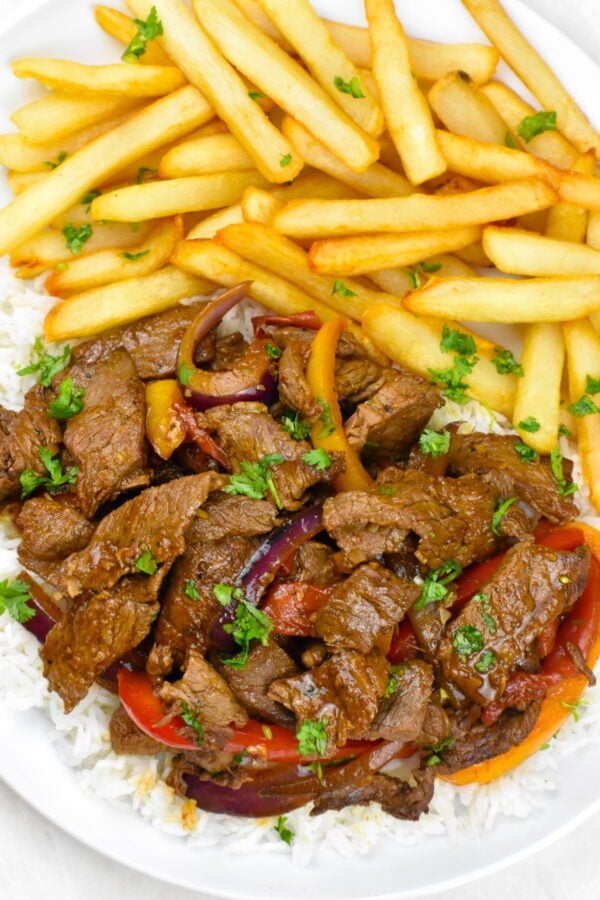
Serve: Spoon the stir-fry over cooked rice and serve with French fries. Toss fries in the sauce or keep them on the side—either way, they’re a mandatory addition!
Nutrition Facts (Per Serving)
Nutrient

Amount
% Daily Value*
Calories
1342
—
Total Fat

78g
100%
Saturated Fat
18g
91%
Cholesterol
134mg
45%
Sodium
1357mg
59%
Total Carbohydrate
92g
34%
Dietary Fiber
9g
34%
Total Sugars

10g
—
Protein
66g
—
Vitamin C
72mg
358%
Calcium
136mg
10%
Iron
9mg
49%
Potassium
2100mg
45%
*The % Daily Value (DV) tells you how much a nutrient in a serving contributes to a daily diet. 2,000 calories a day is used for general nutrition advice.