





I’ve Rolled Thousands of Cookies—These Are the Rules I Swear By for Easier Shaping
Rolling out cookie dough without it sticking to the counter is a common frustration for bakers, whether you’re making sugar cookies, shortbread, gingerbread, or other roll-out varieties. After rolling thousands of cookies over the years, I’ve refined a set of rules that make shaping easier, less messy, and far more predictable.
Keep It Cold
Most cookie doughs rely on a base of butter, sugar, and flour—and warmth is their enemy. While room-temperature dough is softer and easier to roll, too much heat causes the butter to melt, turning the dough greasy and sticky. Even a heavy dusting of flour won’t fix this; the minute your dough feels excessively soft or pliable, pop it back in the fridge to chill until it’s firm enough to work with again.
Halve the Dough
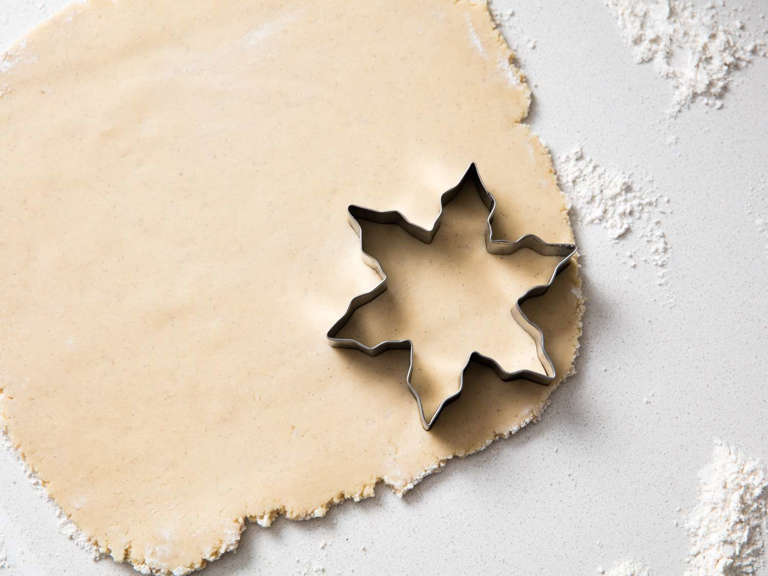
Dividing your dough into two smaller portions makes it far easier to handle. Keep one portion in the fridge while you work with the other—this ensures you always have a firm batch ready to swap in if the dough you’re using gets too warm. It’s a simple trick that prevents frustration and keeps the process smooth.
Use Plenty of Flour
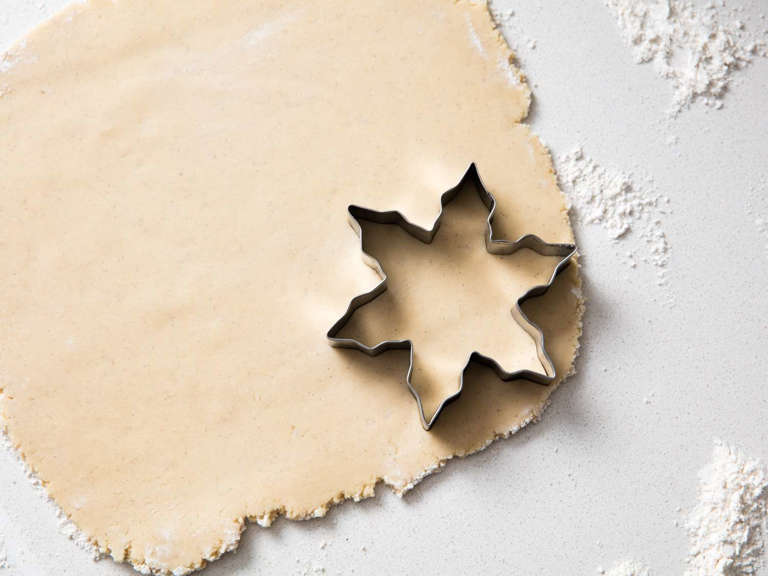
Along with keeping the dough cold, a generous dusting of flour on your work surface and the dough itself is one of the easiest ways to prevent sticking. Midway through rolling, slide your hands under the dough to coat it evenly on the floured counter, then flip it and continue rolling. This ensures both sides are well-coated and reduces the chance of sticking. Don’t worry about using too much flour—any excess can be brushed off with a dry pastry brush before baking.

Use an Offset Spatula
If your dough starts sticking to the counter, grab a long offset spatula and slide it underneath, gently wiggling to release it from the surface. This is almost always a sign the dough is too warm—let it chill and firm up again before you resume rolling and cutting. The spatula is a quick fix, but chilling is the real solution.
Don’t Be Afraid to Use Parchment

For thin, delicate doughs (like craquelin), rolling between sheets of parchment is a foolproof way to avoid sticking. It makes moving the dough from one surface to another (say, from the counter to the fridge) a breeze, and if the dough gets too warm, you can simply place the parchment-wrapped batch on a sheet tray and refrigerate it. When you’re ready to cut, peel off both layers of parchment, set the dough on a well-floured counter, and shape your cookies as usual.
These rules aren’t complicated, but they’re consistent—and consistency is key when it comes to rolling out cookie dough. Stick to them, and you’ll spend less time fighting with sticky dough and more time enjoying the process (and the results).