


Mokonuts’s Iconic Chocochunk Cookie Is Intentionally Imperfect
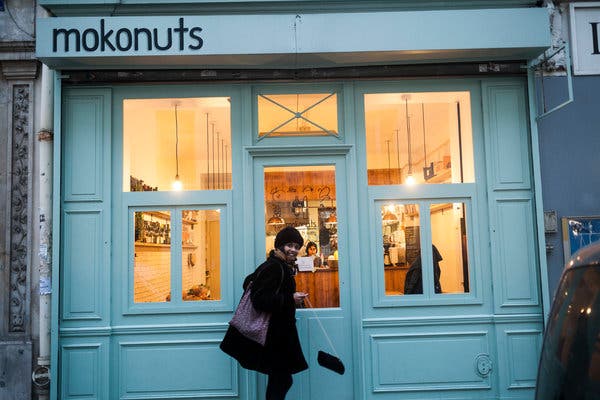
The eclectic, bare-bones Mokonuts has charmed diners in Paris’s 11th arrondissement since 2015, showcasing co-owners Moko Hirayama and Omar Koreitem’s singular, wonderfully simple approach to food. Over the years, signature dishes have emerged at the daytime-only spot: labneh on toast with seasonal vegetables, silky veloutes inspired by fresh produce, and—of course—the cookies.
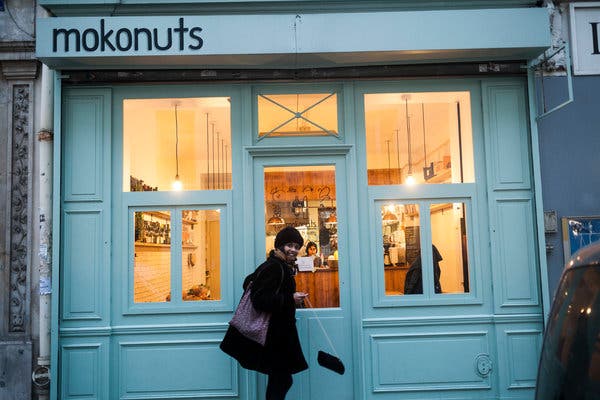
“Cookies have come to play such an important role in my life,” Hirayama writes in Mokonuts: The Cookbook. “They are one of the very few things that have been with Mokonuts from day one, and now we cannot open our doors without them.”
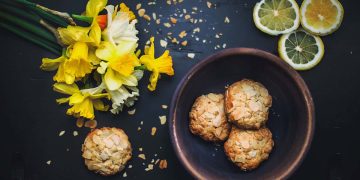
Several of her creations have gone viral—particularly the rye, cranberry, and dark chocolate cookies—meaning a Mokonuts cookie brings serious cachet to a holiday swap table among food-savvy circles.
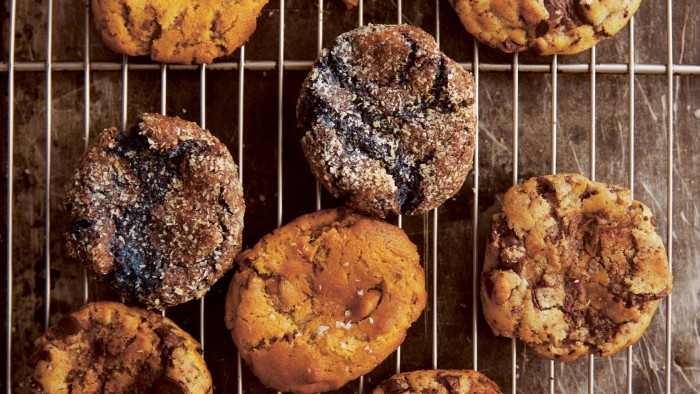
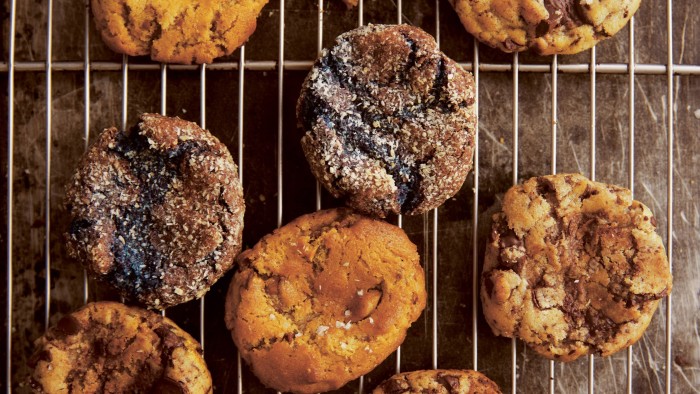
To make these Chocochunks, Hirayama urges bakers to embrace imperfection.
“Like everything else in life, I like things irregular and not perfect,” she writes. “Same goes for the shape of my cookies and also for the chunks of chocolate.”
That means using chopped baking chocolate (as the recipe instructs) instead of pre-made chips. And while serving warm cookies at a party might be tough, Mokonuts bakes batches throughout the day—so feel free to sneak a few fresh out of the oven; no one has to know.
Mokonuts’s Chocochunk Cookie Recipe
Yields 15 cookies
2 cups (8½ ounces/240 grams) all-purpose (plain) flour
1 teaspoon baking powder
½ teaspoon baking soda (bicarbonate of soda)
5 ounces (140 grams) unsalted butter
½ cup (3½ ounces/100 grams) cane sugar
½ cup plus 2 tablespoons (4¾ ounces/130 grams) light brown sugar
1 teaspoon sea salt
1 large egg, beaten
1¼ cups (7 ounces/200 grams) chopped bittersweet (dark) chocolate (ideally at least 70% cocoa solids)
Flaky salt, for finishing
Whisk together the flour, baking powder, and baking soda in a bowl. Set aside.
Melt the butter in a bowl over simmering water (or in the microwave), then remove from heat and stir in the sugars and salt.
Add the egg and beat well with a spatula, then stir in the flour mixture in two batches until no streaks remain. Fold in the chopped chocolate. Cover and refrigerate the dough overnight (or up to 24 hours) for best results.
Preheat the oven to 375° F (190° C).
Divide the dough into 15 pieces, roll each into a ball, and place on a cold baking sheet. Sprinkle with flaky salt, then bake for about 10 minutes—until edges are golden, the middle is puffed, and the dough feels dry to the touch.
Lightly tap each cookie in the middle, let them cool on the baking sheet for a few minutes, then transfer to a cooling rack. Once you can lift them with your fingers, they’re ready to eat!
Why Oregon’s Eola-Amity Hills Is a Must-Visit for Burgundy Lovers
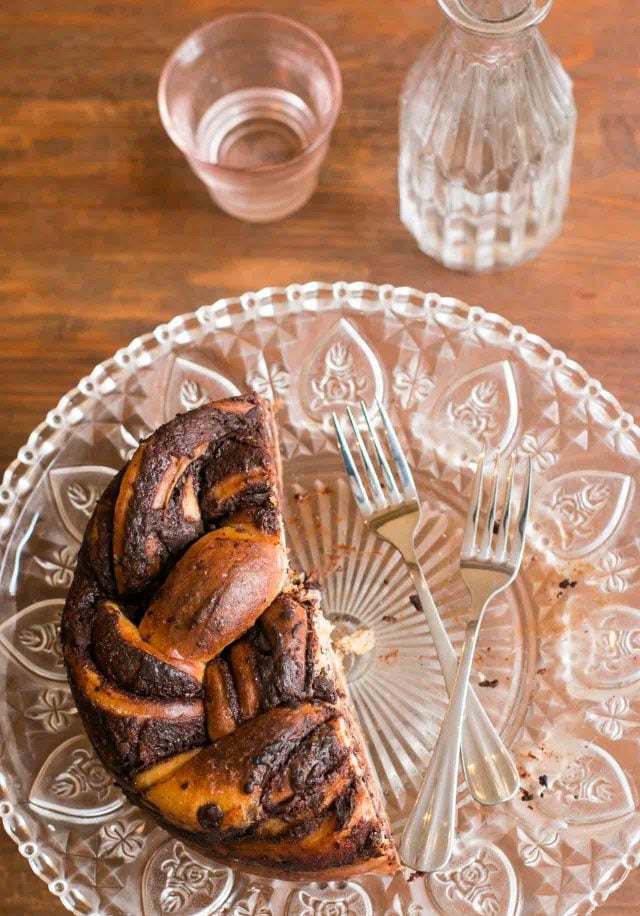
At first glance, Oregon’s Willamette Valley and France’s Burgundy might seem unrelated—unless you’re a wine lover. Then you know the link: Both regions produce some of the world’s best pinot noirs and chardonnays. While Burgundy built its reputation over generations, the Willamette Valley has become a powerhouse in just a few decades.
The Willamette Valley’s appeal lies in its accessibility: You can taste world-class wines steps from the vineyards where the grapes were grown. The region has a down-to-earth vibe, and producers are obsessed with honoring the land’s beauty and terroir to craft top vintages.
Take Lingua Franca, a winery in the Willamette Valley’s Eola-Amity Hills—one of 11 nested appellations. Oregon’s cool, rainy climate, combined with the Cascade Mountains’ protection from the east, is ideal for pinot noir and chardonnay—just like Burgundy. The Eola-Amity Hills’ shallow, rocky soil and stronger coastal influence give Lingua Franca an extra edge.
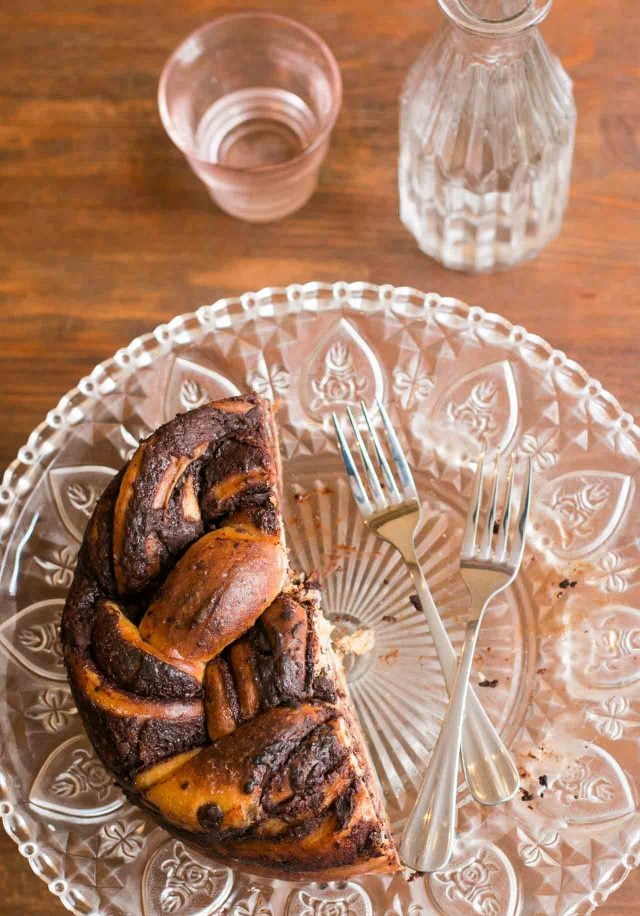
“When I bought this land in 2012, I knew it was special,” says Larry Stone, Lingua Franca’s founder. “You couldn’t do this project on another site. To make the highest quality wine we’re talking about, you have to be in the Eola-Amity Hills.”
Beyond climate and grapes, people connect the two regions. Thomas Savre, Lingua Franca’s director of winemaking, started his career in Burgundy at Domaine de la Romanée-Conti and Domaine Dujac before moving to Oregon to work with Burgundian legend Dominique Lafon (a consulting winemaker at Lingua Franca). Many other Willamette Valley winemakers either hail from Burgundy or love the region deeply.
“We can’t forget that what shapes a region’s style is what we like to produce or find attractive in wine,” Savre says. “Some of the top Eola-Amity Hills wines are made by people with an affinity for Burgundy. The community, culture, and people who’ve shaped this place over 20 years are more linked to Burgundy than the climate.”
Respect for terroir is the most crucial connection. In the ‘70s and ‘80s, when the Willamette Valley was emerging, there were debates about whether terroir existed outside Europe. Now, after recognition from press, sommeliers, and Michelin restaurants, Lingua Franca has proven Oregon has its own terroir—its 2022 Avni Pinot Noir even made Wine Spectator’s Top 100 Wines of 2025 list (No. 16).
“We let the terroir speak through the wine, instead of hiding it with style or making it a mass-market product,” Stone says.
The best way to enjoy Lingua Franca’s wines is in its state-of-the-art tasting room, nestled between vineyards and production facilities.
“The space is filled with people’s energy,” Savre says. “Full, it’s festive; with four people, it feels like a living room or a nice hotel lobby.”
Visitors can choose between two flights: current releases, or a comparative tasting of Lingua Franca wines alongside the sommelier’s favorite Burgundy pinot noirs and chardonnays.
To dive deeper into the Willamette Valley, Savre recommends spending time outdoors—like at nearby Silver Falls State Park. The Eola-Amity Hills are rural, but McMinnville’s bars and restaurants are just 20 minutes away.
Most visitors come for the wine—and to see if the Eola-Amity Hills lives up to Burgundy. Savre says Oregon’s entrepreneurial spirit drew him and makes the region special. Starting Lingua Franca from scratch let him, Stone, and their team innovate—something hard to do at a long-standing vineyard.
“I worked at famous Burgundy wineries, and tradition isn’t always easy,” Savre says. “At Lingua Franca, we’re not just making wine—we’re building a region.”